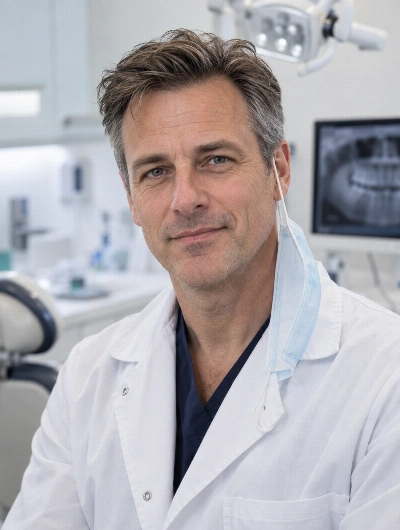
Elliot Rowan is the Founder & Editorial Director of The Young Dentist, overseeing coverage of dentistry, oral health, evidence, professional standards, policy and dental technology. His editorial approach focuses on clinical usefulness, reliable sourcing and separating meaningful developments from speculation, marketing and headline-driven claims.
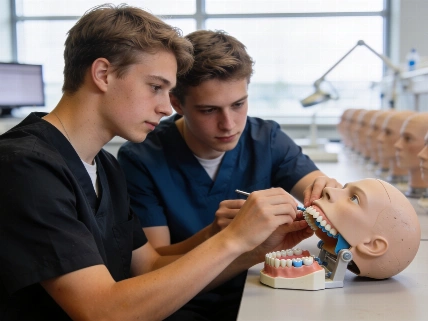
Elliot Rowan studied dentistry at King’s College London, where he completed the Dentistry BDS programme. His training covered biomedical sciences, oral disease, prevention, diagnosis, restorative dentistry, periodontal care, treatment planning and supervised clinical practice. The programme combined academic study with practical clinical training, giving him experience in assessing patients, identifying oral health problems, considering different treatment options and developing treatment plans under supervision.
During his dental education, Elliot gained experience across the core areas of general dentistry, including preventive and restorative care, periodontal health, diagnosis and treatment planning. His training also involved learning how medical history, disease risk, patient preferences and the expected long-term outcome of treatment can influence clinical decisions. This provided a foundation not only in carrying out dental procedures, but also in evaluating when treatment is appropriate, comparing reasonable alternatives and explaining those options to patients.
After completing his dental education, Elliot worked in general dental practices in London and Surrey. His clinical experience included restorative and preventive treatment, periodontal disease, dental emergencies, treatment planning and the assessment of patients presenting with a variety of routine and more complex oral health concerns. General practice brought him into contact with patients with different medical histories, levels of dental anxiety, financial circumstances and expectations regarding treatment.
His work in practice also involved adapting treatment plans to what was clinically appropriate and realistically manageable for individual patients. This included discussing treatment alternatives, obtaining informed consent, maintaining clinical records, considering referral where necessary and managing cases in which several possible approaches were available. He gained practical experience in balancing clinical recommendations with long-term maintenance, patient preferences and wider health considerations.
Alongside his clinical background, Elliot’s professional experience expanded into dental education, healthcare publishing and independent editorial projects. In these roles, he worked with professional and clinical material, reviewed specialist information and collaborated with contributors working across dentistry and oral healthcare. This gave him additional experience with subjects extending beyond direct clinical treatment, including professional standards, regulation, patient safety, dental research, public health, technology and developments within the dental industry.
His work in healthcare publishing also involved reviewing information originating from research papers, professional guidance, regulatory announcements, conferences and dental companies. This professional experience strengthened his familiarity with the different types of evidence and documentation used across dentistry and with the process of translating specialist information into material suitable for professional and informed public audiences.
Elliot is now the Founder, Owner, Publisher & Editorial Director of The Young Dentist. In this role, he oversees the publication’s coverage of clinical dentistry, oral health, research, professional standards, policy, public health, dental technology and the wider dental industry. His responsibilities include editorial direction, reviewing professional and clinical material, working with contributors and maintaining the standards applied across the publication’s clinical and professional coverage.
DentistryThe clinical and professional field concerned with the study, diagnosis, prevention and treatment of diseases and conditions affecting the teeth, gums, oral cavity and related structures.
Evidence-based dentistryAn approach to oral healthcare that integrates relevant scientific evidence with clinical expertise and the needs, circumstances and preferences of individual patients.
Dental public healthThe area of dentistry concerned with preventing oral disease, promoting oral health and understanding how services, policy and wider population factors influence access to dental care.