
A 2026 cross-sectional study of adolescents in Turkey linked longer daily screen exposure with eating habits and brushing routines. The available search record does not independently verify that sample, so its findings require confirmation rather than population-level acceptance.
Researchers describe a possible pathway involving more cariogenic foods and less frequent brushing. Prolonged screen use may also coincide with less structured eating, alongside more frequent sugary snacks and drinks.
The evidence does not establish that screen time causes tooth decay. It does show an association with higher caries measures, more plaque and greater gingival inflammation. Dental teams therefore have reason to ask about the routines surrounding screen use instead of treating exposure alone as a diagnosis.
During sleep, reduced salivary flow can weaken one of the mouth's natural defenses: saliva helps neutralize acids and supports the restoration of minerals in tooth enamel.
Behaviour may connect screen use with caries
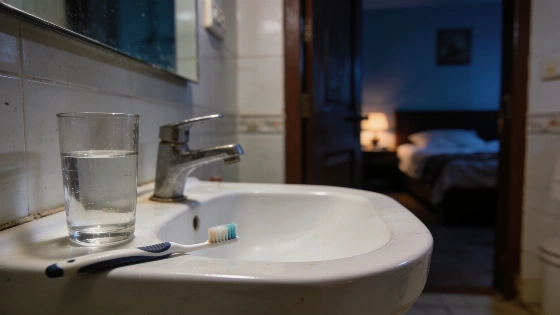
Evening screen use can delay bedtime and reduce the opportunity to brush before sleep. That pattern is consistent with Durham guidance, which recommends brushing twice daily, including before bed. The same guidance calls for regular dental checkups and nutritious food. It also recommends water instead of sugary beverages.
The association needs careful handling. Socio-economic circumstances may affect both screen habits and oral health. Parental supervision can shape the same outcomes, as can physical activity. Screen exposure alone cannot explain the observed differences.
That leaves dental teams with a wider assessment: how digital routines interact with eating and brushing in a young person's daily life.
Preventive dental care for teenagers includes fluoride toothpaste, cleaning between the teeth and limiting sugary drinks. The available material does not provide prevalence figures for caries or measured screen-time data.
Sleep adds a biological and behavioural pathway
The researchers also examined evidence connecting insufficient or irregular sleep with caries. Salivary secretion may change. So may its composition and buffering capacity. Sleep-related changes in appetite regulation and immune function could add another pathway.
Fatigue may make regular brushing less likely. Dental pain and discomfort can disrupt sleep in the opposite direction, creating a possible two-way relationship.
That possibility matters clinically because a sleep problem may belong to a wider cycle rather than stand alone as a lifestyle choice. Night-time habits matter for another reason: reduced salivary flow during sleep can leave sweet foods and drinks consumed after evening brushing in contact with the teeth under less favorable conditions, as described in dental guidance.
After acidic or carbonated products, the same guidance recommends rinsing with water. It advises waiting about 30-60 minutes before brushing because acid temporarily softens enamel.
That measure complements fluoride toothpaste. It does not replace interdental cleaning or limits on sugary drinks.
The article proposes an integrated approach to adolescent oral health. Preventive conversations could cover digital wellness and sleep hygiene alongside brushing. Dietary support would remain part of that discussion, while the evidence still describes associations and possible mechanisms rather than a proven single cause.
This broader view also matches the need to consider oral health within everyday routines, as discussed in earlier preventive research.
Why the findings matter for prevention
Published online on 16 September 2026 in Frontiers in Oral Health, the article is titled "Screen time, sleep disturbances, and dental caries in adolescents and young children: An emerging public health concern".
Its strongest contribution is a practical prevention lens rather than a new clinical rule. Brushing and sleep may need to be discussed together. Diet and digital behaviour belong in the same conversation.
No independent follow-up study was identified in the available search results. No new regulatory decision was found. The search also found no subsequent official statement.
For dental teams, screen time should not be treated as a direct diagnosis of caries risk. It can prompt questions about sugary snacks and bedtime routines. Brushing and sleep also warrant attention, because adolescent oral health is shaped by connected behaviours rather than isolated habits.