The Pennsylvania Department of Health's work covers healthy behavior, disease prevention and access to quality care across the state, according to the department's official mission. Its oral health advice begins at home.
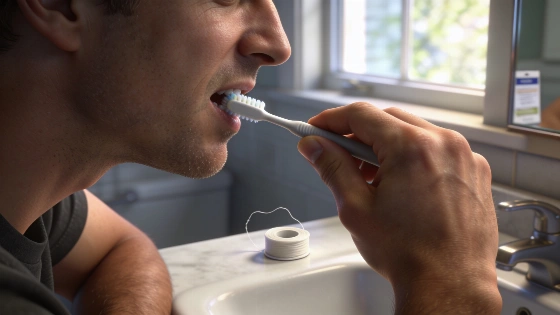
Residents should brush twice a day and floss daily. The department also says people should limit sugary foods and drinks. The CDC takes a similar view of prevention as a routine habit, not a one-time step.
Pennsylvania has more than 120 federally qualified health center sites that provide dental care, with fees often based on income and family size.
Daily habits remain the first line of prevention
Brush in the morning and evening. Clean between the teeth every day. Limiting sugar adds another part to home care, so the routine does not rely on brushing alone.
The advice is familiar. Its value comes from repetition. People who struggle to find affordable care can turn to at least four low-cost dental training programs, 13 dental hygiene programs that offer reduced-cost services and nearly 20 free clinics, according to the Pennsylvania Coalition for Oral Health. The group's Pennsylvania care directory also says many federally qualified health centers set fees according to income and family size.
That access matters.
Regular dental care completes the routine
The department recommends seeing a dentist at least once a year for a checkup and cleaning. Patients should make extra appointments when their dental provider recommends them.
Penn dental experts say regular dental exams can be the first line of defense against oral cancer. The guidance also stresses examination of the mouth, lips and neck, while biopsy is the definitive method for confirming oral potentially malignant disorders and oral and lip squamous cell carcinomas.
The same practical message appears in earlier oral health coverage. Daily care matters. A professional assessment matters too.
For Pennsylvania residents, the guidance turns oral health into a clear routine. Brush twice daily. Floss. Limit sugary foods and drinks. Attend recommended dental visits. Photo credit: Pennsylvania Department of Health.