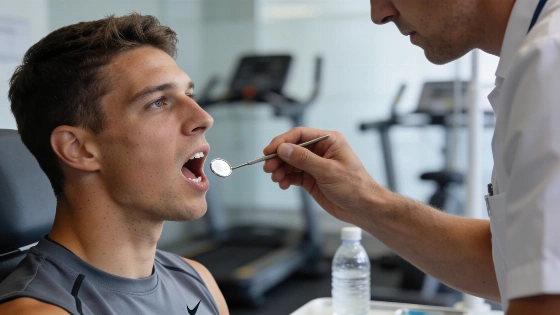
The reported figures are hard to miss. Dental caries affects 49% of athletes, while 42% have dental erosion. Gingivitis affects 77%, and periodontitis affects 22%.
In a separate Special Olympics athlete population, 13% reported severe oral pain, 46% showed signs of gum disease and 44% had untreated dental caries.
Needleman is Professor of periodontology and evidence-informed healthcare at the World Dental Federation. He is also a member of its Sports Dentistry Expert Group. After a decade of research into athletes' oral health, he said: "putting the studies together, the findings are remarkably consistent: in terms of dental caries, approximately half of athletes have dental caries at a level that requires intervention and good periodontal health is rare."
Sugary and acidic sports drinks and energy supplements are major contributors. They are not the whole explanation. Dehydration can cause dry mouth and change the amount and quality of saliva. Intensive training can also alter the oral microbiome and raise the risk of dysbiosis.
Nutrition has to be judged within the wider training setting. The risk is not tied to one product or habit.
No fresh independent reports identified new bans, fines or other regulatory measures specifically addressing athletes' oral-health risks. Current activity remains concentrated on research reviews, preventive campaigns and expert guidance rather than formal enforcement.
Needleman divides the causes into two groups. Pro-inflammatory and dysbiotic factors can raise disease risk. Social and structural barriers can reduce awareness and affect health behaviours, screening and access to care.
The result is a difficult mix. An athlete may face greater exposure to disease and fewer chances to spot or manage it.
An earlier campaign placed nightly oral-health reminders on Indian TV. Athletes need more than reminders. Hydration, training load, nutrition and clinical access affect one another throughout the training cycle.
Professional dental guidance points to regular screening. It also calls for checks on drinks and carbohydrate intake, plus an assessment of diet and training conditions as one risk profile.
Needleman says elite athletes must be viewed as part of an "ecosystem". That group includes support staff, medical and exercise specialists, coaches and sports federations. "We have to think about how the ecosystem influences individuals and groups of communities within that ecosystem," he said. "If we are to make change, we need to understand that ecosystem and plan how to intervene at different levels within it."
The evidence makes a narrow athlete-by-athlete response inadequate. Dental caries affects 49% of athletes in the reported findings. Gingivitis affects 77%.
Oral health belongs inside performance support. It cannot remain an optional service added after training and competition priorities are set.