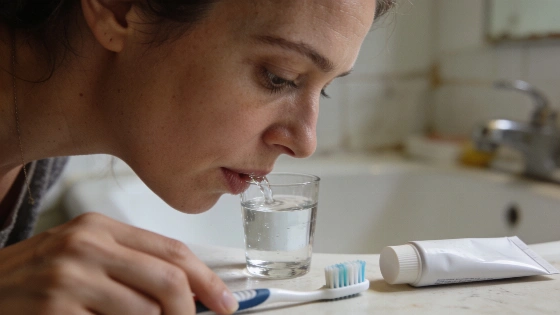
Saliva helps keep the mouth lubricated and clear material before it settles around the teeth. Nine out of 10 respondents to a Sjögren's Foundation survey said they experienced dry mouth daily or weekly. Dry mouth, or xerostomia, is a leading symptom of Sjögren's disease, an autoimmune condition that can damage the salivary and tear glands and reduce saliva and tear production. Clinical reviews estimate that xerostomia affects more than 90% of people with the disease.
For people with Sjögren's, less saliva can make swallowing and speaking difficult. It also makes it harder to keep teeth and gums healthy.
A study published in the Journal of Dentistry found that people with Sjögren's disease tend to have poor oral health despite good dental hygiene practices. Saliva washes away debris and plaque, helps maintain oral pH, and limits the growth of cavity-causing microbes. When salivary function declines, the mouth loses some of that cleaning action and fewer antimicrobial components. Tooth decay and oral infections such as candidiasis can follow. Swallowing difficulties may also develop, putting routine prevention in focus: dental experts recommend steps to limit the effects of reduced saliva and catch problems early.
Why saliva loss matters
Saliva lubricates the mouth and helps wash away material that can contribute to plaque buildup, says W. Craig Noblett, D.D.S., president of the American Association of Endodontists and director of the University of Minnesota School of Dentistry in Minneapolis. With less saliva, plaque-forming organisms can create biofilm more readily. That can contribute to gum disease and tooth decay. Reduced salivary flow can also lower oral pH and decrease protective proteins, including lysozyme and lactoferrin. The resulting conditions favor decay.
Elyce Link-Bindo, D.M.D., owner of Doylestown Dental Group in Doylestown, PA, says plaque can collect along the gum margins and cause inflammation or bleeding. Reduced saliva can also alter mouth pH, allowing cavity-causing bacteria to thrive. Sjögren's classification criteria include objective tests alongside symptoms. The 2016 criteria developed by the American College of Rheumatology and European Alliance of Associations for Rheumatology use a total score of at least four. Unstimulated saliva flow of 0.1 mL per minute or less counts as one criterion. The criteria are described in the 2016 ACR/EULAR criteria.
The broader case for treating oral health as part of overall wellbeing also appears in a recent oral-health analysis. For people with Sjögren's, the practical question is how to protect teeth when the mouth lacks its usual moisture.
Daily prevention and dry-mouth relief
Sally Cram, D.D.S., a consumer advisor spokesperson for the American Dental Association (ADA) based in Washington, D.C., recommends fluoride toothpaste as a starting point for protecting against decay. Most over-the-counter toothpastes contain fluoride. People with dry mouth can ask their dentist whether prescription fluoride toothpaste may be appropriate. These products contain a higher fluoride concentration. US clinical guidance for Sjögren-related dental care recommends topical fluoride to help prevent caries. For some patients, prescription 1.1% sodium fluoride products may be part of a prevention plan, including use in custom trays.
Link-Bindo recommends flossing at least twice a day to address sticky plaque at the gumline. She suggests DrTung's Smart Floss, which expands to grip plaque. A Waterpik water flosser can help wash out the mouth when used once a day. An electric toothbrush may help clean between teeth.
Noblett advises keeping water close by and sipping it or rinsing the mouth frequently. Link-Bindo cautions against acidic ingredients such as lemon, which can increase cavity risk. After acidic or carbonated food and drink, she recommends rinsing with plain water rather than brushing straightaway. Brushing then can damage enamel.
Over-the-counter options include Biotene oral rinses. Other choices include moisturizing sprays, gels or lozenges. Link-Bindo also recommends CloSYS as a neutral-pH rinse option and Camillex MighTeaFlow Dry Mouth Lozenges. Cram says many dry-mouth products contain enzymes similar to those in saliva. Patients can choose the format that is most convenient for them.
Link-Bindo says a dental probiotic such as ProBiora may help shift the balance toward beneficial bacteria in the mouth. Ordinary probiotics, including those in yogurt or supplements, do not typically contain the specific bacterial strains needed for oral health, she adds.
Hard candy can feed bacteria that produce acid and weaken enamel. Cram advises avoiding sugary varieties. Anyone who chews gum should choose a sugar-free brand. Sugar-free gum or lozenges containing xylitol are among the options used to stimulate saliva. Frequent small sips of water can help, as can nighttime room humidification.
Dental visits and related conditions
Sjögren's disease can occur alongside sleep apnea or acid reflux. Link-Bindo says either condition may contribute to sleeping with the mouth open, worsening dry mouth. Reflux creates an acidic environment that can add to the effects of dryness, she says. A prosthodontist or other specialist can help assess these issues from an overall health perspective.
Experts advise aiming for dental or specialist visits every three months. Clinical guidance also describes follow-up intervals of three to six months for people at elevated risk. These visits let the dental team monitor for decay. They can also check for gum inflammation and candidiasis, along with other complications. Care may involve an endodontist, who focuses on the inner soft tissue of the tooth, or a prosthodontist, who helps restore or replace damaged teeth. "Staying on top of oral health maintenance is so important," Link-Bindo notes. "This way, if you are developing decay, you can catch it early rather than at a later stage when it's harder to treat." At home, she recommends checking carefully around bridges and single crowns where natural tooth is exposed at the margins.