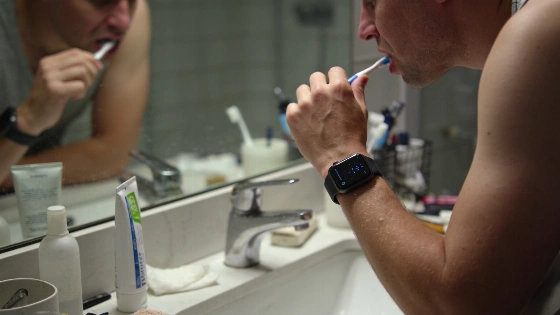
Bleeding gums can signal a problem in the mouth. Claims that they point to disease elsewhere need evidence.
The article links gum disease to inflammation beyond the mouth, including possible effects on cardiovascular health and cognition, as well as metabolism. Yet many wellness routines described in the piece focus on sleep and nutrition while leaving oral care out.
That gap is the argument behind National Dental Hygiene Month: oral health should not be treated as separate from the rest of the body. The source, however, offers no specific studies or figures to show how strong the reported links are.
The World Health Organization estimates that oral diseases affect about 3.7 billion people worldwide-roughly half the global population. The measure includes untreated dental caries, severe periodontitis and complete tooth loss.
Why oral health gets siloed
Dentistry and medicine have historically followed separate tracks in training and clinical practice. Insurance has also kept them apart, despite the mouth's connection to the digestive and respiratory systems and the bloodstream. The World Health Organization identifies sugar and tobacco use as shared risk factors for oral and other noncommunicable diseases. Alcohol use and socioeconomic inequality also contribute. Its oral health overview makes the case for bringing oral health into primary care.
Ian Clark, founder of Activation Products and host of Younger Than Yesterday, says he has conducted independent research for more than 20 years, following a major health crisis at age 46. He is not a dentist or clinician; his contribution here is a systems-based wellness perspective. A related discussion of microbial balance appears in oral microbiome coverage.
That distinction matters. A wellness argument can raise useful questions, but it is not a clinical assessment or a substitute for evidence-based dental care.
U.S. national surveys found periodontitis in 47.2% of adults over age 30 and 70.1% of adults aged 65 and older. These figures show how common the condition is; they do not establish that it directly causes cardiovascular or cognitive disease.
Connections and limits
The article describes bleeding gums, persistent microbial imbalance and rapid enamel decay as possible signs of wider problems, from inflammation and mineral deficiencies to poor nutrient absorption or immune strain. It also says oral bacteria may enter the bloodstream and links poor gum health to cardiovascular and cognitive concerns, as well as metabolic issues. The American Dental Association notes that bacteria from inflamed gum tissue can briefly enter the bloodstream during chewing or brushing, as well as during dental procedures. That mechanism alone does not establish that oral bacteria cause atherosclerosis, dementia or metabolic disease.
These claims are not proof that oral disease directly causes those conditions. The American Heart Association says periodontitis is associated with cardiovascular events such as heart attack and stroke, but a causal relationship has not been established. Its scientific statement does not show that treating gum disease prevents cardiovascular disease. The source supplies no study details to assess the evidence or the size of any risk.
Basics before biohacking
Clark's broader point is that elaborate wellness protocols cannot replace everyday foundations. The article also warns that harsh mouthwashes may disrupt the oral microbiome, but gives no product details or evidence for a general recommendation about mouthwash use.
The World Health Organization's global action plan sets a 2030 target: a 10% relative reduction in the prevalence of major oral diseases compared with 2019. It emphasizes prevention and access to care, with oral health integrated into primary health care.