
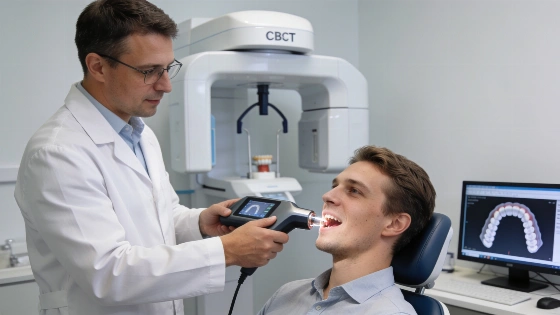
Ostem Implant is moving beyond just selling implants. The company is changing how dental care works by launching a digital workflow that ties together diagnosis, planning, surgery, prosthetic design, and patient management. Everything runs in one digital stream.
Ostem Implant's digital strategy is independently confirmed by industry sources, with the company advancing solutions for both electronic dental records and implant planning based on intraoral scanner and CT data.
The OneGuide digital implant guide system keeps every step-from diagnosis to surgery-locked into digital data. This lets clinicians place implants exactly as planned. For prosthetics, the OneMill 5X Plus milling machine works with zirconia, WAX, PMMA, and hybrid ceramics. It can make crowns, temporary teeth, and more, all with a 5-axis servo motor.
Ostem Implant is aiming higher. Its OneClick software manages all the data from dental procedures, including electronic charts, insurance claims, patient check-in, and even links to other video equipment. The company wants to be a 'Total Provider'-not just an implant maker, but a supplier of imaging gear, oral scanners, CAD/CAM, software, and clinical training. A September 2026 industry report says Osstem's digital tools are built to bring together not just clinical work, but also admin and patient management.
In September 2026, Osstem's OIC educational division launched an advanced course on clear aligner orthodontics in Gwangju, highlighting the company's commitment to clinical education as a core part of its digital strategy.
Ostem Implant says its digital push is about building solutions for every step of dental care, not just selling products. An official put it this way: "The key is to establish a system that supports overall dental treatment rather than selling individual products by expanding the business structure that was focused on implants to equipment, software, and education and services."
This marks a clear turn for the dental field. By linking every part of the treatment process-diagnosis, planning, surgery, prosthetics, and patient management-Ostem Implant is setting a new bar for dental makers. The old days of scattered workflows and mismatched equipment are fading. The future is seamless and digital from start to finish, and Ostem Implant is moving fast to claim that ground.