
More than 40% of people worldwide deal with ongoing tooth wear and enamel erosion, yet store shelves are packed with toothpastes making big promises about protecting or strengthening enamel. These claims are not just marketing-they reflect two different approaches: stopping further damage versus helping the tooth repair itself.
According to Global Burden of Disease estimates, untreated dental caries in permanent teeth remains the most prevalent disease worldwide, affecting approximately 2.24 billion people.
Enamel is tough, but it faces daily attacks from acidic foods and drinks-soft drinks, citrus, and even some foods considered healthy. Studies show that nearly 85% of people with dental erosion regularly consume acidic foods or drinks. Add frequent snacking, poor brushing habits, acid reflux, or dry mouth, and the risk goes up. This leads to a constant cycle: minerals are lost from enamel (demineralization) and sometimes replaced (remineralization), but often, more is lost than regained.
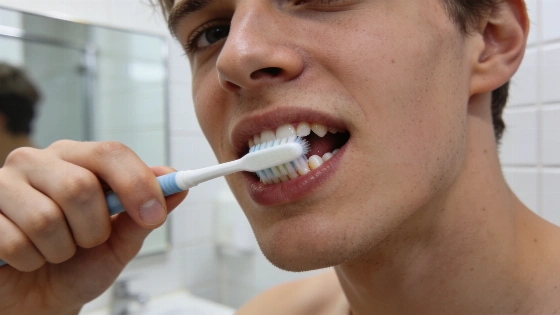
Protecting enamel means reducing the things that wear it down and stopping further harm. This starts with basics: cut back on sugary and acidic foods, rinse with water after acidic drinks, use a soft toothbrush, and keep up with daily brushing and flossing. Brushing twice a day with fluoride toothpaste is essential-fluoride helps repair early enamel damage and makes teeth less likely to erode. Regular dental visits are also important for catching early signs of enamel loss and getting advice before problems become permanent.
The FDA and American Dental Association use the Relative Dentin Abrasivity (RDA) index to evaluate toothpaste abrasiveness, but this metric is designed for dentin, not for direct clinical assessment of enamel damage. ADA guidelines accept toothpastes with an RDA of 250 or less, but lower values do not necessarily mean a product is safer for enamel.
It is important to know that remineralization cannot rebuild enamel that is already gone. Instead, it strengthens areas that are weakened but still present, making them more resistant to future acid attacks. Protective steps keep what you have; strengthening steps help restore what is at risk.
The global oral care market is worth nearly $69 billion, and marketing claims are everywhere. Not every toothpaste labeled for enamel health works the same way. Some only create a thin barrier, while others use ingredients proven to help remineralize. Look for evidence-based products and talk to your dentist, especially if you notice sensitivity, which can signal enamel loss or cavities.
Healthy enamel is essential for lifelong oral health. While lost enamel cannot be replaced, early action can preserve and reinforce what remains. The difference between protection and strengthening is practical: one keeps teeth resilient, the other helps prevent permanent loss. The best approach combines smart eating habits, good brushing, regular dental care, and proven toothpaste. Knowing what works helps you avoid empty promises and keep your teeth strong for the long run.