
In advanced cases, gum disease damages the tissue and bone that hold teeth in place. The CDC says this damage can eventually loosen teeth and cause tooth loss. Bleeding gums, lasting bad breath and loose teeth need attention.
In US adults aged 30 and older, 42.2% had periodontitis and 7.8% had severe periodontitis in the NIDCR analysis of NHANES 2009-2014.
Ageing changes the demands of oral care
Older adults can face several problems at once, says Dr Prameetha George Ittycheria, Vice Principal at the Pushpagiri College of Dental Sciences, Thiruvalla. Arthritis and reduced hand control can make a standard toothbrush hard to use. Poor eyesight or cognitive decline can break an established routine. Systemic illness, dry mouth caused by medication, nutritional deficiencies and a restricted diet can raise the risk of gum disease. NIDCR guidance also points to medication-related dry mouth, chronic disease and reduced motor ability as reasons to adjust daily care.
The answer is adaptation.
Chlorhexidine should be used for a limited period and under dental supervision. Medical instructions list staining of the teeth and tongue, altered taste and mucosal irritation among possible unwanted effects.
Why interdental cleaning matters
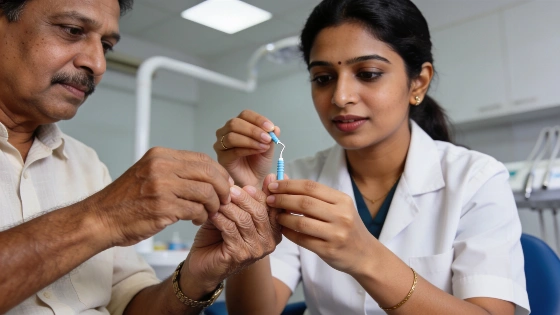
Gums often recede with age. Spaces between the teeth can then grow wider. An interdental brush may clean those spaces better than a standard toothbrush. A water flosser may suit people who find regular floss hard to handle because of limited finger movement. The ADA lists floss, interdental brushes, picks and oral irrigators as possible options. The right choice depends on the size of the spaces and the person's needs, according to its interdental-care guidance. A dentist should help choose the size and method for each mouth.
Mouthwash does not clean that gap. Chlorhexidine rinses may have a specific treatment role when a dentist prescribes them. Unsupervised long-term use can stain the teeth and tongue. It can also alter taste and irritate the mouth lining. Chlorhexidine supports mechanical cleaning. It does not replace brushing or interdental care.
Dry mouth and root decay create a second risk
Saliva keeps the mouth moist and helps wash away acids. Medication or chronic illness can reduce saliva flow. That weakens this protection. Receding gums expose root surfaces without enamel. Those surfaces are more open to decay. Frequent sips of water, sugar-free chewing gum and professional advice about saliva substitutes may help. Alcohol and tobacco should be avoided. Fluoride toothpaste should be used twice a day.
Diet can become harder after tooth loss, with poorly fitting dentures or when chewing is difficult. Meals should still include vegetables, fruit, fibre and high-quality protein. Refined sugar and processed food should be limited. A dentist or nutritionist can help adjust meals without reducing their nutritional value.
Caregivers and family members may need to turn advice into a daily routine. For someone with memory loss, a reminder may be enough. Others need direct help. Keeping the toothbrush, toothpaste and interdental aids together makes the routine easier to repeat and supervise.
Smoking speeds up gum disease and raises the chance of tooth loss. Quitting is worthwhile at any age. Professional cessation support can help people who find it hard to stop.
Dental reviews should not wait for pain
Gum disease can progress without pain. Bleeding, food trapped between teeth, lasting bad breath or a loose tooth should lead to a dental assessment. A cosmetic cleaning alone is not enough. Recall intervals should reflect bone health, tooth count, systemic disease, smoking status and the person's ability to manage daily care.
Regular walking and other gentle exercise can help with diabetes and obesity control. Both conditions are major risk factors for severe gum disease. Oral care also belongs in wider ageing care. Dentists, family doctors, nurses, dietitians, physiotherapists and caregivers need to share information.
The same prevention approach can reach people outside the dental clinic. A community screening initiative described in Udaipur coverage combined oral examinations with advice about tobacco risks. Practical guidance reached residents closer to home.
Tooth loss and severe gum disease are not unavoidable parts of growing older. The steps are clear: match cleaning tools to physical ability, clean between the teeth, deal with dry mouth, stop smoking and schedule dental reviews before symptoms become disabling. A healthy mouth supports eating, confidence and quality of life. Treating oral health as optional can turn a preventable problem into neglect.