
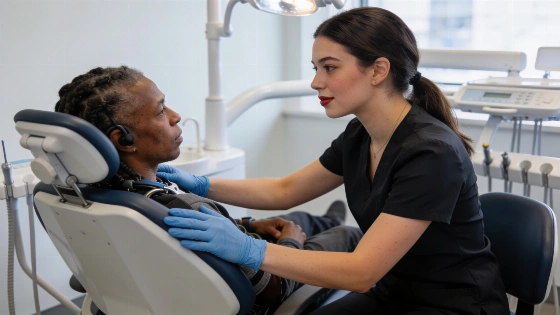
When Emma Rumsey walks into a dental operatory, things don't go by the usual script. She doesn't keep her distance. Instead, she focuses on making patients comfortable-especially those who fear the dentist or face barriers because of a disability. This isn't theory for her. It's personal. Her own family's experience taught her what it feels like to have no control in a medical setting.
Structured approaches such as offering choices, visual cues, and pre-visit orientation have been shown to significantly reduce anxiety for children and patients with special health care needs.
But Rumsey's biggest impact comes from her work with patients who often get ignored. She volunteers with people with disabilities and those who struggle with dental anxiety. This isn't just a line on her résumé. It's her mission. She has siblings with autism, so she's seen the hurdles disabled patients face-clinics that aren't accessible, staff who don't understand. She wants to change that. She builds trust and gives patients control, one visit at a time. "I make a conscious effort to remind them that I am there to support them and that they are in control," Rumsey says. That's how she helps patients feel safe and less anxious.
Dental care for individuals with sensory sensitivities and anxiety can be improved by using short, structured procedures and gradual desensitization techniques during tooth brushing.
Rumsey has blunt advice for students starting out in dental hygiene: look after yourself. The training is tough. Even the most dedicated students can burn out. She warns against endless studying that leaves no time for mental health. "Taking time for yourself is not falling behind or being unproductive, it is part of taking care of yourself so that you can come back feeling refreshed and ready to learn." She tells future hygienists to build habits that will keep them going after graduation.
Outside work, Rumsey keeps things simple. She reads fantasy novels, tries new recipes, and walks the Halifax Waterfront with friends. This isn't just downtime-it's how she stays balanced. She believes that clinicians who care for themselves are better at caring for others.
Her story comes at a time when access to dental care is under the spotlight. A recent report shows the crisis facing vulnerable patients in the UK. Rumsey's approach is a direct answer. She won't accept the status quo. She insists on dignity for every patient, no matter their background or fears. The profession needs more hygienists like her-people who see the person, not just the procedure, and know that real progress starts with empathy, not just skill.
Dental professionals have long known that patients with disabilities and complex needs require special care. This is why there are dedicated training modules and continuing education programs, as shown in the Academy of General Dentistry's professional development curriculum.