The World Health Organization estimates that oral diseases affect nearly 3.7 billion people worldwide, according to its 2022 report.
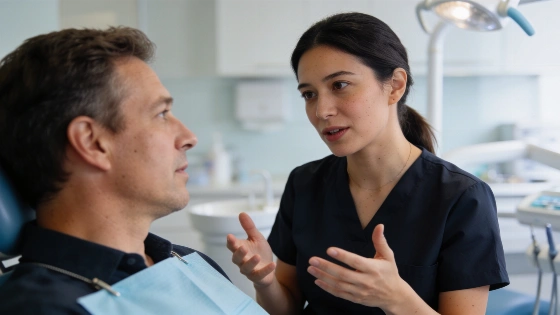
That figure sets the scale for a conversation between Jo-Anne Jones, RDH, FIADFE, and Dr. Paul Feuerstein, Editor-in-Chief of Dentistry Today. They discuss inflammation and the links between oral health and the rest of the body. Jones argues that dental teams can make those conversations more relevant by gathering health-history details before appointments.
The WHO estimate covers oral diseases broadly, including conditions beyond periodontitis. An international consensus published in Periodontology 2000 calls for oral health to be treated as part of overall health, rather than as a separate area of care. It identifies severe periodontitis, particularly in relation to diabetes, as an important oral-systemic connection.
Periodontal treatment may help improve glycaemic control in people with diabetes. It does not replace medical treatment. The interview offers no specific diagnosis or treatment recommendation; its focus is how clinicians can better understand each patient's overall health history.
Building a fuller picture before the visit
Jones describes collecting useful information before an appointment as one way to make these discussions more personal. Practices can send a patient form digitally in advance, giving the team time to review relevant health-history details before the conversation begins.
The point is context. A clearer picture of a patient's health can help dental professionals shape the discussion around that person, instead of relying on a generic explanation.
The international consensus also calls for oral health to be included in broader prevention efforts. It recommends stronger training across health professions. Where appropriate, routine care should include an oral-health assessment.
Connecting oral health with wider care
Jones's focus on patient-specific discussions fits a broader push to connect dental and medical care. An international consensus on routine oral care makes a related case for closer links between the fields in a consensus report. The report also emphasizes regular toothbrushing and interdental cleaning to prevent and control oral disease.
Jones and Feuerstein point to advance digital collection of health-history information as a way for practices to prepare before the appointment. Details about chronic conditions can help shape the conversation. So can information about medications and risk factors.