
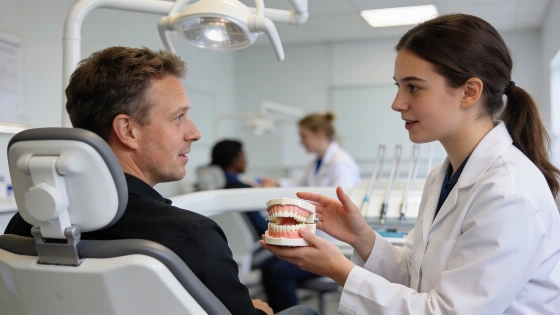
Patients across south-west England are turning to a new dental clinic in Plymouth, many after months of searching for care they can't get elsewhere. Since February, the Peninsula Dental School's centre has provided 4,000 free appointments-most to people in pain or unable to pay for private treatment. The numbers point to a severe shortage of NHS dental access in the region.
Since March 2017, one in ten dental practices in England have left the NHS, with 135 practices exiting in 2024 alone.
The Plymouth initiative aims to offer 12,000 free appointments, but with only a third of that goal met so far, the gap between need and provision is clear. According to a BBC News live report, Ed Davey described NHS dentistry as "in crisis," and singled out Cornwall as one of the hardest-hit areas. The British Dental Association has called for a complete overhaul of the NHS dental contract, arguing that current funding doesn't cover the real cost of treating NHS patients and is driving dentists out of the system. Dr Jenna Murgatroyd, who chairs the local dental committee for Cornwall and the Isles of Scilly, said the government's small changes have only made the contract harder to understand. "We do need a fundamental change to the NHS contract," she said.
Inside the clinic, the effects are immediate. Professor Ewan McColl, head of the Peninsula Dental School, said the centre is already making a difference for patients who often arrive with pain or serious infections after years without care. "There's a lot of evidence now that oral health care is important to general health," McColl said, pointing to the wider health risks of dental neglect.
In Somerset, NHS officials acknowledge that while access to dental care has improved, current funding only covers about half the county's population, reflecting a broader regional crisis in the south-west.
The Department of Health and Social Care says it is rebuilding NHS dentistry, pointing to millions of extra dental treatments, more dental school places, and a new rule requiring newly qualified dentists to work at least three years in the NHS. But Dr Murgatroyd and others argue these steps have not fixed the contract's main problems or stopped dentists from leaving NHS work.
This access crisis is not limited to the south-west. As reported in a sector analysis, the British Dental Association warns that without more funding and contract reform, nearly two-thirds of dentists expect to cut back further on NHS work because the current model does not cover the actual cost of care.
The situation in Plymouth makes the problem clear: small reforms are not enough. Unless the government addresses the core issues in NHS dental contracts and invests in real access, thousands will continue to go without essential care. The patience of both the profession and the public is wearing thin.