Routine dental conversations can reveal sleep-related concerns before a patient reaches a sleep study.
At Dentsply Sirona World 2026, Dr. Erin Elliot put that question at the centre of dental sleep medicine. In an interview with Dentistry Today Editor-in-Chief Dr. Paul Feuerstein, she described how she entered the field and why sleep belongs in dental care. Dentists should ask focused questions because sleep-disordered breathing can become visible during ordinary clinical interaction.
An estimated 936 million adults aged 30-69 worldwide have mild or more severe obstructive sleep apnea, including about 425 million with moderate or severe disease.
The interview forms part of wider coverage involving Dentsply Sirona and its professional activity, including an earlier report on the company's US technology distribution plans.
Why sleep questions belong in dental consultations
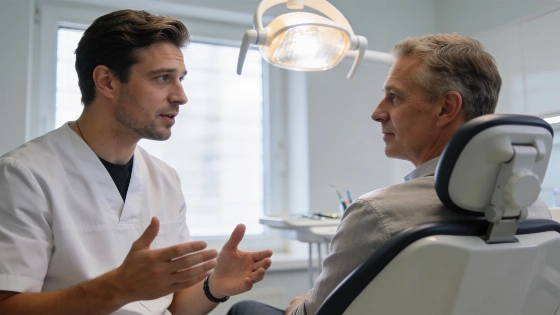
Elliot connects dental sleep medicine with a basic clinical habit: asking patients about sleep instead of treating the mouth in isolation. The discussion centred on recognising possible sleep-disordered breathing and deciding when further assessment may be needed. Dentists are not replacing medical sleep specialists or sleep studies. The practice is a place where concerns can first be identified and discussed.
Conversation comes first. The 2025 standards for dental sleep medicine describe a continuing pathway that covers initial screening and diagnosis, device selection and adjustment, confirmation of effectiveness, and regular monitoring for adverse effects. That framework supports Elliot's central point. Dental screening can open the conversation, but it does not replace medical diagnosis or a sleep study.
AASM and AADSM guidance recognises custom, titratable oral appliances as an option for adults with obstructive sleep apnea who cannot tolerate CPAP or prefer an alternative. Treatment should include dental oversight, device titration, follow-up sleep testing, and continuing checks of the bite, jaw joints, and appliance condition.
Building a workable practice pathway
Elliot also outlined how practices can build a usable screening workflow. It can start with identifying patients who warrant attention, move into consultation, and then guide them toward sleep studies. The process has to fit the way a dental team gathers information, speaks with patients, and decides when referral is appropriate.
That approach brings sleep medicine into the daily work of a dental practice. The challenge is creating a consistent route from the first question to consultation and study guidance. The difference between a therapeutic oral appliance and an ordinary night guard matters here. An appliance for obstructive sleep apnea advances the lower jaw and cannot substitute for a protective bruxism guard.
Follow-up remains part of the pathway. Reports reviewed in connection with FDA data describe a rise in reported harms associated with oral appliances. That makes continued assessment of occlusion, temporomandibular joints, appliance condition, and treatment effectiveness especially important. The evidence does not support treating a device as a set-and-forget intervention.
The scale of the problem explains the need for a coordinated pathway. Research by Benjafield and colleagues, published in The Lancet Respiratory Medicine, estimates that approximately 936 million adults have mild or more severe obstructive sleep apnea worldwide. About 425 million have moderate or severe disease. Sleep apnea may also be overlooked in patients with severe mental illness. A meta-analysis of 26 studies involving 3,858 patients found objectively confirmed obstructive sleep apnea in about 41.2% of participants. Medscape's account of the findings reported rates of 38.3% in schizophrenia, 38.2% in major depressive disorder, and 35.6% in bipolar disorder.
The interview gives dentists a defined professional role without overstating it. Dental practices can recognise possible sleep-related concerns during patient care. The next stage remains structured consultation and referral toward sleep studies. Elliot's discussion places dental sleep medicine within attentive history-taking and coordinated care, while leaving diagnosis to the appropriate clinical process.