
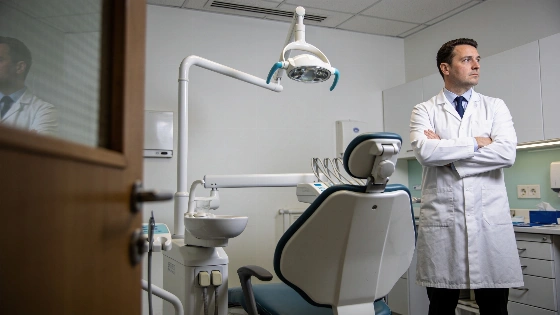
Just 1% of dentists in England say they plan to do more NHS work after the latest contract changes. That was the message the British Dental Association (BDA) delivered to the new dentistry minister this week, warning that the profession faces a bleak future unless there is real reform.
A recent industry review estimates the annual funding gap for NHS dental contract reform at approximately £1.5 billion, highlighting the scale of investment needed for meaningful change.
The BDA argues that ministers need to move on from two decades of what it calls failed contracts and deep funding cuts. Crouch added, 'Ministers don't need another lesson in how to fill a leaky bucket. We won't halt the exodus from the NHS without turning the page on 20 years of failed contracts and savage cuts.'
Recent BDA survey results show 63% of dentists expect to cut back on NHS work, and only 10% think the latest changes have improved NHS dentistry. Four out of five have no confidence that the government will meet patient needs, fund the service properly, or deliver a workforce plan.
As of September 2026, sector sources confirm that negotiations and phased implementation of contract changes are ongoing, with no sign of a full system relaunch. Official documents indicate further stages of reform are scheduled for the autumn months.
At a meeting with the Department of Health and Social Care, BDA leaders Eddie Crouch, Shiv Pabary, and Martin Woodrow urged James Frith, the new minister for dentistry, to commit to real reform, stable funding, and a proper workforce plan. The BDA also criticised the previous Labour government, led by Sir Keir Starmer, for not putting its reform proposals to public consultation over the summer and noted that no new investment has been promised to rebuild the service.
The Department of Health and Social Care says it has already introduced the most significant dental contract reforms in years and is working with groups like the BDA on further long-term changes by the end of the current parliament. But professional commentary in 2026 still describes the April contract changes as temporary and not enough to fix ongoing problems with access and prevention, as detailed in a 2026 sector analysis.
Shiv Pabary, chair of the General Dental Practice Committee, summed up the mood: 'Before the last election Labour told us the cavalry was coming. The longer this profession is left to wait, the less of a service there will be left to save.'
With the government holding back on new investment and the ADG pushing only for minor changes, the BDA's stance is clear: without major reform, NHS dentistry will keep losing dentists and capacity. The evidence is clear-dentists are leaving, and small fixes will not stop the decline. If ministers do not act, the NHS dental service could shrink further, leaving both patients and practitioners to deal with the fallout.
From April 2026, NHS dental charges in England are set at £27.90 for Band 1, £76.60 for Band 2, and £332.10 for Band 3 treatments, as confirmed in published NHS materials.