
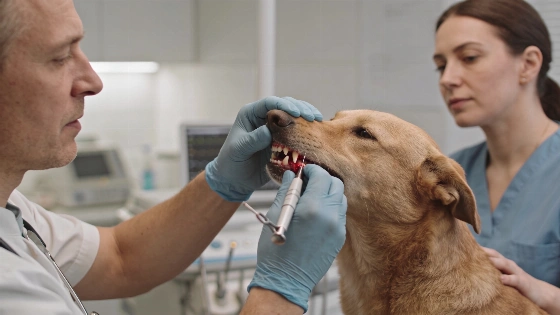
WSAVA published the updated guidelines on 24 September 2026. Veterinary professionals worldwide can now access the document.
WSAVA published the updated 2026 Global Dental Guidelines on 24 September 2026 and says they are now available to veterinary professionals worldwide.
The clinical scope is wider.
New or expanded sections cover dental and maxillofacial trauma, juvenile pathology, and the work of veterinary nurses and technicians. The document also addresses ergonomics and gives radiographic interpretation more attention.
It covers common conditions, diagnostic procedures, treatment, anesthesia, pain management, home dental care and nutrition. Oral health is linked to animal welfare throughout the guidance.
Dental care does not stop after a procedure. Veterinary teams must recognize disease, choose the right diagnostic methods, manage anesthesia and pain, and help owners care for their pets' teeth at home. An earlier oral-care report provides broader context, but the WSAVA document remains focused on veterinary practice.
The reason is simple. Dental work is more than cleaning.
The guidelines were developed by a multidisciplinary group spanning dentistry, nutrition, anaesthesia and analgesia, veterinary nursing and animal welfare. WSAVA's three-tier continuing education system is intended to adapt recommendations to different resource levels globally.
The document also addresses anesthesia-free dentistry. It sets out the risks tied to that practice and places clinical safety beside animal welfare and technical skill.
That focus gives the guidelines a practical edge. Diagnosis, treatment, teamwork, prevention and welfare are dealt with as connected parts of dental care.
WSAVA developed the guidelines ahead of its 2026 Congress. The meeting is scheduled for 13 to 15 October 2026 in Warsaw, Poland. Veterinary professionals can access the full document through WSAVA.