The coverage gap can surface long before a retiree schedules a first appointment. The article's premise that Medicare Parts A and B do not cover ordinary dental and vision services should be checked against current Medicare rules and the specific plan under consideration. The CMS material reviewed here concerns other topics rather than coverage rules. With 4.1 million Americans reaching retirement age this year and many retiring earlier than expected, coverage decisions need to be made before care is required.
The health case is immediate. The cited figure that nearly 7 in 10 adults over 65 have gum disease could not be confirmed in the CDC results reviewed for this article. The claim that nearly one-third of adults 65 and older with vision difficulty miss an annual eye exam also remains unconfirmed. Delaying coverage can still make it harder to maintain regular examinations that identify problems before treatment becomes more complex.
In a 2027 CMS update, 188 Medicare Advantage contracts with prescription-drug coverage-about 37% of such contracts-received ratings of four stars or higher. The figure describes plan ratings, not dental or vision coverage rules.
Start coverage planning before retirement
Dental and vision insurance belongs on the retirement checklist rather than at the bottom of it. Retirees should research alternatives to Medicare coverage and account for premiums as well as out-of-pocket costs. Those expenses can vary with personal needs and local prices. CMS materials reviewed for this article include technical Medicare updates, such as an official CMS transmittal, but they do not establish the routine dental or vision coverage claims made in the original version.
Preventive dental care is not a minor line item. The cited "2026 State of America's Oral Health and Wellness Report," along with its claim that 90% of adults favor preventive dental care, could not be independently verified in the available results. Its separate claim that insured adults are twice as likely to make a preventive visit also lacks confirmation. Those figures should not be treated as established evidence without a primary report.
The CMS Medicare revalidation result reviewed here is a provider reference record. It does not provide data about retirees' expenses, dental insurance, or preventive visits.
Dr. Jason Grinter, vice president of dental science and network strategy at Delta Dental of Illinois, said: "With nearly 7 in 10 adults over 65 having gum disease, oral health issues don't wait for a convenient time to show up. Planning for preventive dental visits, just like any other health need, can help catch issues early and avoid larger costs down the road." The quoted prevalence figure remains unverified in the research reviewed here, but the broader advice to plan for routine care is relevant to retirement budgeting.
Compare the cost beyond the premium
A low monthly premium does not automatically make a plan affordable. Deductibles and copays affect the total cost. Annual maximums and coverage limits can change it, while network rules can determine whether a preferred dentist or eye doctor remains practical to use.
Network breadth matters especially for people who travel. In-network providers can reduce out-of-pocket spending, and a plan with access beyond a home area may be more useful than one judged solely by its monthly price. The same prevention-first logic appears in earlier coverage of public attention on oral-health access.
Delta Dental of Illinois says its individual dental plans cover preventive checkups and examinations at 100% and can reduce out-of-pocket costs for many procedures. That option should still be assessed against each retiree's expected use, network preferences and wider budget rather than selected on a premium figure alone.
Routine examinations carry the practical value
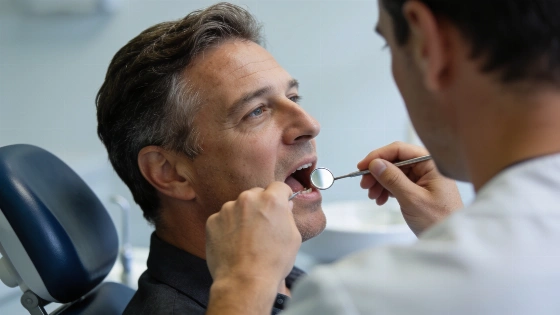
Dental examinations can identify gum disease and tooth decay. They can also detect oral cancer and oral-health issues associated with conditions including heart disease and diabetes. Eye examinations can help diagnose common age-related eye diseases and help prevent vision loss.
Future care needs are relevant to today's coverage choice. Tooth loss becomes more common with age. Cataracts and glaucoma also become more common.