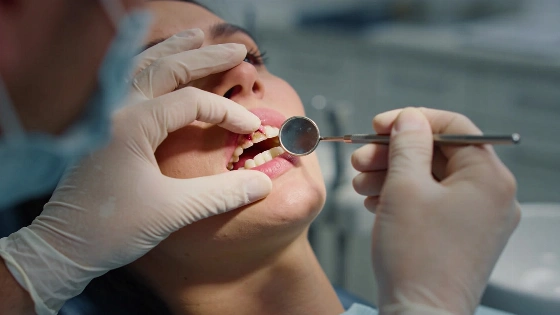
At a periodontal visit, a 79-year-old woman described a lump in her mouth but could not account for most of her prescriptions. Records from her pharmacy showed she was taking amlodipine. A biopsy later found gingival overgrowth consistent with an amlodipine-associated effect.
The medication record also exposed a broader gap: the dental team had no reliable account of her health. Her chart contained no cognitive diagnosis. She could name diabetes, but not the other conditions treated by her daily prescriptions.
A dementia evaluation typically draws on information from the patient and people close to them, physical and neurological examinations, cognitive testing and laboratory tests; brain imaging may also be used when needed.
The clues were in the medication record
At the first appointment, the patient reported diabetes and said she took several medications. She could not recall what the other prescriptions were for, though she said she took them consistently. She also questioned whether the treatments were helping. The dental team had no documented indication of a cognitive or neurological condition.
The clinic identified her pharmacy from the location she described and obtained her medication list. It showed complex medical needs that had not emerged during the consultation. One prescription was donepezil, which prompted concern about possible dementia. The drug alone could not establish a diagnosis. The National Institute on Aging says diagnosis requires a broader assessment.
Memory services typically assess patients, clarify or establish a diagnosis and develop a longer-term support plan; a medication list alone is not a substitute for that evaluation.
The team contacted her family physician. The physician confirmed that dementia symptoms had been apparent and previously investigated, with Alzheimer's disease suspected. The patient also had atherosclerosis, dyslipidemia and depression, in addition to diabetes. Her prescriptions had implications for oral care: amlodipine is associated with gingival hyperplasia. Mirtazapine and hydrochlorothiazide are associated with dry mouth.
Why the missing history mattered
The biopsy findings were consistent with amlodipine-associated gingival overgrowth. With the medication history in hand, the team could raise a possible drug-related cause with the prescribing physician instead of treating the mass as an unexplained problem in isolation.
The missing information raised other clinical concerns. Uncontrolled diabetes can impair healing and increase infection risk. A long appointment could pose a risk of hypoglycemia. Unrecognized dry mouth can contribute to caries and mucosal breakdown. The report does not say these complications occurred in this case.
Donepezil is a cholinesterase inhibitor used for symptomatic treatment of Alzheimer's disease, but taking it does not establish that diagnosis. The National Institute on Aging and Mayo Clinic explain that Alzheimer's medicines do not remove the underlying disease. Cholinesterase inhibitors may offer limited, temporary support for symptoms such as memory and attention difficulties. The authors also discuss possible anosognosia, a lack of awareness of illness or functional difficulties, as one explanation for the patient's limited insight. They caution that a calm or unconcerned account of memory gaps is a clinical impression, not a validated diagnostic sign. It cannot replace referral, collateral history or follow-up with the care team.
The patient could name diabetes but could not provide enough information to characterize it. That gap matters in periodontal care: diabetes and periodontitis have a bidirectional relationship, so glycemic control is relevant to risk assessment and surgical planning. A diagnosis named by a patient may not amount to a complete or clinically usable history.
Dental teams may see patients regularly and notice changes in communication or recall, but conversational clues are not a basis for diagnosing dementia. Here, the practical step was to seek collateral information from the pharmacy and family physician. A complete medical and medication history can help clinicians account for cognitive needs, treatment understanding, consent, oral hygiene and follow-up care, as discussed in dental planning for older adults. The approach is consistent with Canadian Dental Association guidance on obtaining relevant medical history for patients with dementia and other special health-care needs. The importance of a complete history also connects with older-adult gum care and its distinct oral-health needs.
When a patient cannot account for important diagnoses or medications, an empty chart does not resolve the uncertainty. Dental teams should verify the history through appropriate care-team communication before planning treatment. Available reporting establishes no subsequent official decision, disciplinary proceeding or new clinical outcome specific to this patient.