For a long time, dentists have stuck to a simple message: brush, floss, and you are covered. But with Dentistry Show London coming up, new research is making many rethink how mouthwash fits into daily care. Laura Bailey and Benjamin Tighe will tackle three common myths during the LISTERINE Professional Masterclasses. The data they bring could change what many thought they knew.
U.S. FDA-style labeling for sodium fluoride mouthwash specifies it is suitable for adults and children 6 years and older, with a recommended use of 10 mL twice daily after brushing.
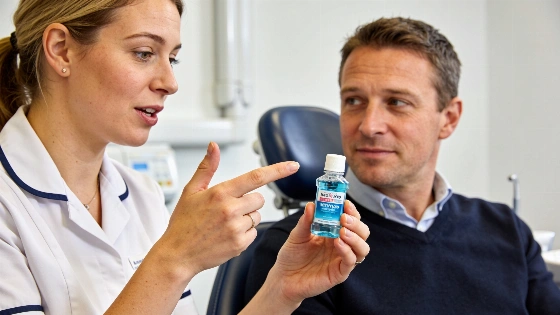
Another myth is that "spit, don't rinse" after brushing means you should skip mouthwash. That is not what the guidance says. The advice from Delivering Better Oral Health (2025) is about rinsing with water, which washes away fluoride and weakens its effect. Research by Sköld et al (2012) shows that using a 225ppm fluoride mouthrinse after brushing with 1,450ppm fluoride toothpaste actually raises fluoride levels in saliva and helps prevent cavities. The details matter: when used right, mouthwash can boost the benefits of brushing, not cancel them out.
In the U.S., sodium fluoride mouthwashes are labeled as anticavity rinses. The instructions say to swish 10 mL for one minute, spit, and then avoid eating or drinking for 30 minutes. This helps keep fluoride on the teeth longer. These rinses are meant to add to brushing and flossing, not replace them. The official DailyMed labeling says they are for adults and children 6 and up, showing their place in prevention.
Recent dental guidance for consumers recommends using fluoride mouthwash at a different time from brushing, rather than immediately afterward, to optimize added fluoride exposure and maximize its anticavity benefits.
These points will be front and center at the LISTERINE Professional Masterclasses at Dentistry Show London. Laura Bailey, an award-winning dental hygienist and coach, and Benjamin Tighe, a tutor dental therapist at Eastman Dental Hospital, will ask attendees to rethink their routines. Their sessions will dig into the latest research and offer real-world tips for giving patients advice that fits their needs. Attendees will get to ask questions, join in the discussion, and try out product samples at stand D40.
This new focus on evidence-based mouthwashes matches bigger changes in oral health, like the recent push for balancing the mouth's bacteria instead of just wiping them out. The field is moving past old rules. Now, every recommendation-including mouthwash-needs to be backed by solid clinical data.
With all this new evidence, it does not make sense for dental professionals to stick to old myths or one-size-fits-all advice. The data show that the right mouthwash, used the right way, can really help patients. The next step is for clinicians to put this knowledge into practice, making sure their advice matches each patient's needs.