
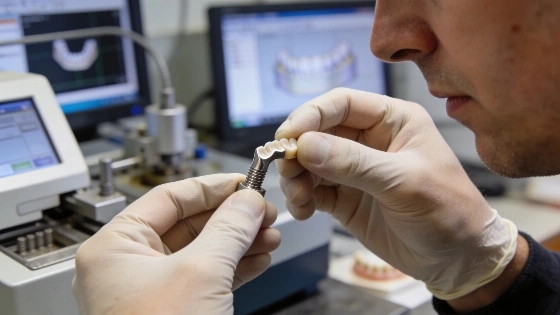
Angulated abutment blanks have moved from a specialty item to a standard part of implant dentistry. According to the latest IndexBox report, the global market for these pre-machined components is expected to grow at a compound annual rate of 7-9% from 2026 to 2035. This pace is up to two percentage points faster than the broader dental implant accessory market.
In the United States, endosseous dental abutments are classified as Class II medical devices by the FDA, with regulation number 872.3630 and product code NHA.
Digital dentistry is a major factor behind this trend. Intraoral scanning, CAD/CAM design, and milling have made custom abutment workflows faster and more accessible, allowing practices to deliver tailored solutions with shorter turnaround times. As a result, angulated blanks are now used across more implant platforms, with both titanium and zirconia options meeting different clinical needs.
Zirconia blanks are especially popular in visible areas because of their translucency and soft-tissue compatibility. The report expects zirconia angulated blanks to grow 2-3 percentage points faster than titanium ones, showing a clear shift toward zirconia for anterior restorations. A clinical study at the University of Geneva confirms that monolithic zirconia crowns are widely used for implant restorations in esthetically demanding cases, underlining zirconia's ongoing role in implantology.
The FDA maintains a separate classification for dental abutments under product code DZE and regulation number 872.3640, confirming distinct regulatory oversight for related implant components. This formalized system of device listing and premarket pathways is crucial for understanding entry barriers and regulatory costs in the abutment market.
Manufacturers and suppliers still face regulatory hurdles and swings in raw material costs. But the main drivers-aging populations, more implants being placed, and the clinical benefits of angulated abutments-are expected to keep the market growing through 2035.
With digital workflows now central to restorative dentistry and multi-unit cases becoming more common, angulated abutment blanks are set to play a bigger role. The data points to a clear shift: practices that adapt to these changes will shape the next decade of implant dentistry.