
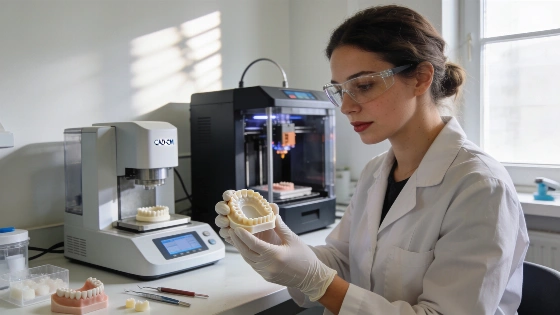
Digital dentistry is changing how denture base resins are made and used. As CAD/CAM millable blocks and 3D-printable photopolymer resins become more common, traditional heat-cured powders are losing ground. According to the latest IndexBox report, digital materials are growing at 10 to 13 percent each year, forcing dental laboratories to rethink how they buy and use these products.
This shift is closely tied to an ageing population. The number of people aged 65 and older is rising by about 3 percent annually worldwide. As more people need removable prostheses, demand for denture base resins is increasing. The market is expected to grow at a 7 percent compound annual rate from 2026 to 2035, with the market index projected to reach 196.7 by the end of that period (2025=100).
"The World Health Organization has set a target for 80% of the global population to have access to essential oral health services by 2030, supporting broader access to prosthetic and preventive dental care."
World Health Organization
Dental laboratories are consolidating and looking for certified suppliers who can provide high-impact, fibre-reinforced, and esthetic multilayer materials. Regulations like ISO 20795-1, FDA 510(k), and EU MDR now play a central role, favouring manufacturers with strong compliance systems. This is more than a technical upgrade; it changes how materials are sourced, tested, and delivered.
North America and Europe are leading the shift to digital, while many labs in Asia-Pacific and Latin America still rely on conventional resins for cost reasons. Even so, digital technologies are starting to appear in urban centers in these regions, suggesting a wider global change is coming.
On the supply side, Asian manufacturers-especially in China and India-are increasing their polymerisation capacity. This reduces reliance on Western suppliers and increases price competition. Still, the need for high-purity, biocompatible materials and strict regulatory compliance helps established companies maintain their margins. Fluctuating raw material costs, especially for MMA monomer, remain a challenge, but many manufacturers are responding with long-term contracts and new chemical options.
"The U.S. Food and Drug Administration maintains active 510(k) records for denture-related resin products, including a specific classification for 'Resin, Denture, Relining, Repairing, Rebasing,' confirming that denture resin materials remain a regulated device category in the United States."
U.S. Food and Drug Administration
Traditional heat-cured PMMA still accounts for most of the market by volume, but its share is shrinking as digital workflows become standard in advanced markets. CAD/CAM blocks and printable resins are taking a larger share, especially where digital infrastructure is well developed. Regional diversification and more disciplined buying habits are shaping a new phase of competition and innovation.
Premium and digital products now drive most of the market's value. Denture base resins are no longer just a commodity; certified, high-performance materials are in demand to meet the needs of an ageing population and a digital dental sector. Companies that can handle regulatory complexity, supply chain risks, and fast-changing technology will be best positioned in the coming decade.