For many Australians who once felt self-conscious about missing teeth, digital dental implant technology is making a difference where it matters most: in everyday life. The real impact isn't just in the dental chair, but in the simple moments that follow-sharing a meal, laughing with friends, or smiling for a photo without worrying about gaps. Digital dentistry is helping restored smiles feel natural again.
In Australia, dental implants and their components are regulated as medical devices by the Therapeutic Goods Administration, ensuring that every product on the market meets strict safety and quality standards.
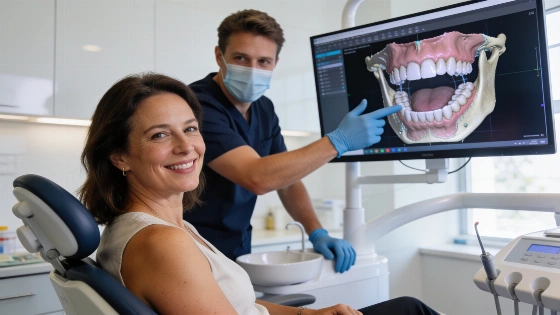
For people needing full-arch rehabilitation, technology has opened new options. Techniques like All on 4 dental implants use four carefully placed implants to support a full set of replacement teeth, making the most of available bone and reducing the need for extra surgery. Still, the choice to use these methods depends on the dentist's judgement and the patient's unique situation. Digital imaging gives a clearer view of bone and gum health, but expertise guides the final decision.
The digital approach doesn't stop after surgery. Today's workflows allow for custom-made restorations that match the patient's anatomy, rather than relying on standard shapes. Digital impressions can replace traditional molds in many cases, making the process more comfortable. Computer-aided design and manufacturing help ensure each restoration is accurate, and digital records make it easier for dental teams and labs to communicate and avoid mistakes.
Australian law mandates that the safety, supply, and advertising of medical devices-including dental implants-are governed by the Therapeutic Goods Act 1989, Therapeutic Goods Regulations 1990, and Therapeutic Goods (Medical Devices) Regulations 2002. These legal frameworks ensure that all therapeutic goods meet national standards before reaching patients.
Australia's size adds another challenge. Many patients travel long distances for specialist care, so efficient digital communication and planning are essential. Digital workflows make it possible to consult remotely, share diagnostic records, and plan treatments more predictably-important advantages for people in rural or regional areas. Even so, technology alone doesn't guarantee results. Success depends on oral hygiene, bone quality, overall health, and regular care. The best software still relies on skilled dentists and patients who look after their implants.
What stands out now is the focus on personalisation. Artificial intelligence, advanced diagnostics, and modern manufacturing are tools to help create dental solutions that fit real lives. A digital smile starts with scans and models, but its value is measured by the confidence and comfort it brings to daily routines.
As digital dentistry develops, the Australian implant experience is shaped by both technology and human skill. The goal is simple: to make living with a restored smile feel natural. Increasingly, digital dentistry is meeting that goal for patients across the country.