
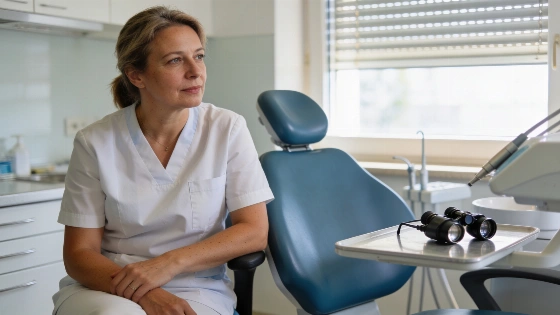
Fatigue, poor sleep and mental exhaustion can change how a dentist gets through a full clinical day. Makbule Sipahi says dentistry has paid too little attention to that reality.
She argues that perimenopause is exposing problems in workforce design, appointment patterns and ergonomic planning. Experienced clinicians may be pushed out if midlife is treated as decline instead of a transition.
The pressure is not only hot flushes.
Connecticut law requires a statewide clinical toolkit on perimenopause and menopause to be developed for healthcare professionals, including dentists. The material must be prepared by 1 June 2028, with the requirement taking effect on 1 October 2026.
The symptoms that practice design overlooks
A 2026 collaborative study by US researchers and Flo examined perimenopausal symptoms among 17,494 people from 158 countries. Hedges et al found that fatigue, physical and mental exhaustion, mood changes, digestive issues and sleep disturbances were central to many experiences.
Hot flushes ranked much lower among the reported symptoms. The researchers called for more work on demographic and lifestyle factors, social determinants of health, attitudes towards perimenopause and menopause, and knowledge-seeking behaviour.
The evidence is still developing.
Mary Hedges, the study's first author and a community internal medicine physician at Mayo Clinic, said: "This study shines a light on how little we still understand about perimenopause and how much it affects people's daily lives."
That uncertainty matters in dentistry. Clinical competence does not disappear when symptoms change. It may simply take more conscious effort.
Dental Protection said its Menopause Friendly Employer reaccreditation includes a Women's Health Network, training for menopause advocates and confidential counselling for members experiencing symptoms at work.
For dentists working under loupes and bright operating lights, dry eyes can add another physical burden. Temperature changes, skin sensitivity, bloating and unpredictable energy levels can make long procedures harder to tolerate.
Tight-fitting clothing may become uncomfortable. Standard scrubs may not meet menstrual hygiene needs.
These are not cosmetic details.
Posture, fine motor control, visual comfort and sustained attention all affect safe and effective clinical work.
Small adjustments can protect long careers
Sipahi's answer is adaptation, not endurance at any cost. Clinics can space out demanding procedures and build breaks into the appointment template.
Staying hydrated can help. So can recognising when it is time to step back.
Small changes matter.
An ergonomic review is also important, especially when long sessions involve loupes, bright lights or fixed working positions.
Clothing can affect comfort too. Lightweight, stretchable and moisture-wicking fabrics may help. Breathable layers, seamless or tagless designs, and adjustable features such as drawstrings or Velcro may reduce irritation and improve fit.
Well-ventilated treatment rooms can make symptoms easier to manage. An open workplace culture should let clinicians discuss reasonable adjustments without embarrassment.
Emotional strain needs the same attention. Perimenopause can heighten anxiety or reduce tolerance for stress.
That can make the calm reassurance needed by anxious patients harder to sustain. Difficult interactions and delays may linger longer, even when the dentist appears composed.
Open conversations with colleagues can make these experiences easier to discuss. Sipahi also connects the issue to patient care because hormonal changes can affect oral health and wellbeing.
Those conversations should remain sensitive, relevant and professionally appropriate. The wider profession has already seen how community-based dental initiatives can bring care closer to people, as shown by an earlier access report.
From individual coping to structural change
Personal adjustments cannot carry the whole burden. Dentistry is becoming more feminised, and regulatory and representative bodies need to recognise the pressures many midlife women face.
Those pressures can include menopause, caring responsibilities and the physical demands of clinical practice. Flexible career structures and sustainable workload planning are workforce measures, not optional benefits.
Better ergonomics belong in that discussion too.
Connecticut's planned clinical toolkit is intended to provide practical, evidence-based and culturally appropriate guidance on diagnosis and treatment across perimenopause, menopause and postmenopause.
The UConn toolkit requirements also cover symptoms, insurance coverage and short learning modules that may count towards continuing education. The plan puts menopause care into professional training instead of leaving it to informal workplace knowledge.
Separate workplace proposals discussed in Connecticut include reasonable accommodations. These include the ability to sit, additional breaks, altered schedules and temporary reassignment to less strenuous or hazardous work, according to a Medical Daily policy report.
Such measures do not replace clinical judgment. They show how workforce design can respond to fluctuating capacity without treating experienced professionals as less capable.
The current model often assumes that dentists can keep the same pace and working pattern throughout a long career. Sipahi's account does not fit that assumption.
Reviewing clinic templates and care-delivery patterns could help retain clinicians whose experience strengthens communication, empathy, leadership and patient care.
Midlife can bring greater confidence and a deeper understanding of patients beyond technical treatment. The sensible goal is not to reproduce the pace of youth.
It is to sustain effective, humane work.
Dentistry should treat adaptation as professional resilience, not weakness. Without that shift, the profession will keep placing avoidable pressure on the clinicians whose experience it most needs.