"It's a scam from the get go." That's how The_Journey76, a dental patient, describes his experience after his insurer denied coverage for both a crown and an implant, calling them "cosmetic" and leaving him with a $6,200 bill.
He didn't just pay out of pocket-he says the cash price was much lower than what he would have paid through his insurance. According to his account, the crown cost $2,200 and the implant nearly $4,000. The other option was to live with a missing tooth and a cracked tooth, which he refused. "I'm not gonna have a missing tooth and I'm not gonna have a cracked tooth," he says in his video.
"In the United States, dental insurance coverage for crowns and implants varies widely by plan, and many policies specifically exclude implants or require prior authorization and strict documentation of medical necessity."
Kaiser Family Foundation
His story isn't unique. In the same TikTok post, The_Journey76 mentions another patient who was quoted $1,200 for a procedure through insurance, but found the uninsured price was $480. Commenters shared similar experiences: one faced a $14,000 insurance quote for jaw surgery but paid $2,500 after dropping coverage and taking the uninsured discount. Another described a full-mouth extraction with implants, where the insured estimate was close to $50,000, but the cash price was about $13,000 for what they said was the same care. These numbers, like The_Journey76's, haven't been independently verified and will vary by provider and plan.
After adding up his annual insurance premiums, The_Journey76 says he realized he could have paid for the dental work himself and still spent less than what he put into his insurance. "I figured up my monthly payment at the end of the year for paying for my dental insurance," he says. "I could have paid for those things out of pocket and paid less than what I paid into my insurance."
He goes further, calling the whole system "an absolute Ponzi scheme" and claiming that BlackRock, State Street, and Vanguard "own them all"-though he doesn't provide evidence for this in his video. The insurer is not named, and there's no confirmation of why the claims were denied. The_Journey76 also hasn't said whether he plans to appeal or look for other coverage.
"Medicare Original does not cover dental implants at all, and even Medicare Advantage plans that offer dental benefits often impose strict annual limits and require pre-approval for major restorative work such as crowns and implants."
Medicare.gov, Official U.S. Government Portal
Stories about insurance denials and higher insured prices aren't new. As reported earlier, confusion and frustration over dental costs and coverage have led many patients to question the value of their insurance, especially when paying out of pocket can cost less than using insurance.
When patients have to choose between necessary dental care and the high cost of insurance premiums, trust in the industry suffers. In this case, the numbers are clear: a system that often leaves patients paying more for less is hard to defend. Unless insurers can show that their coverage actually helps with essential dental procedures, more patients will look for alternatives outside the usual insurance model.
According to the American Dental Association, the average cost of a single dental implant in the U.S. is several thousand dollars, with the total bill-including the surgical placement, abutment, and crown-often much higher than the price of the crown alone.
Insurance disputes over dental implants and crowns usually come down to whether the procedure is considered medically necessary or cosmetic. The American Dental Association notes that if a tooth is missing, badly damaged, or at risk of further harm, dentists typically document the need for treatment, but the final decision depends on the insurer's policy and review process.
Dental patient pays thousands after insurer brands crown and implant as cosmetic
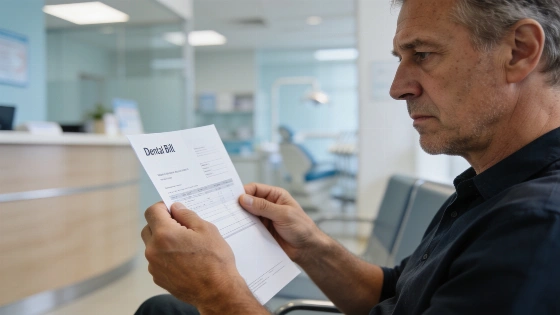
A patient says his insurer refused to cover a crown and implant, forcing him to pay nearly $6,200 out of pocket-less than what he paid in premiums.

Author
Elliot Rowan
Elliot Rowan is Co-founder, Owner, Publisher & Editorial Director of The Young Dentist, with a broad editorial focus spanning oral health, prevention, public health, dental policy and professional standards. His work looks at how changes in evidence, regulation and service delivery affect patients, clinicians and the wider dental profession.