A patient needing an extraction, bone graft, implant, crown or denture may be able to complete each stage of treatment at Cranberry Dental Arts without moving between multiple referrals.
The Cranberry Township practice brings family, cosmetic, restorative and implant dentistry into one setting for children, adults and seniors. That setup is built around continuity. A dentist familiar with a patient's case can help plan the next step while the practice provides examinations, cleanings, digital X-rays, tooth-colored fillings, deep cleanings, crowns, bridges, root canal therapy, dentures, Invisalign®, oral surgery, TMJ treatment, sedation dentistry and emergency dental care.
The publicly available Digital Journal report identifies the practice as operating in Cranberry Township under Wuyang Li, DMD, PhD.
Cranberry Township is listed with a population of 33,096 in a municipal reference publication. That figure describes the community as a whole, not Cranberry Dental Arts' patient base or the local dental-services market.
Implant care is planned around the individual patient
Dental implants are a major area of care at the practice for people with missing teeth. Options include single-tooth implants, implant-supported dentures, immediate implants, implant crowns and full-arch solutions such as All-on-X treatment. When additional support is needed before placement, dental bone grafting may also be performed.
Implants replace missing tooth roots and can support a crown, bridge or more stable denture. Treatment planning considers oral health, bone structure, functional needs, appearance goals and budget. Patients comparing implants with other approaches can discuss traditional bridges, partial dentures and complete dentures. The practice's range of implant services reflects the wider patient demand for tooth replacement described in this earlier market analysis.
The breadth of care matters most when treatment becomes complex. Coordinating extraction, grafting, implant placement and restoration within one practice can simplify scheduling while allowing the treating dentist to retain familiarity with the patient's clinical history.
The practice's stated service list includes preventive, family, pediatric, cosmetic, restorative, implant, surgical, sedation and emergency dentistry, along with TMJ treatment and Invisalign®. The available materials do not provide an independent official registry confirming performance of every listed procedure.
Pennsylvania Medicaid uses the PROMISe system for provider enrollment. Dentists are classified as provider type 27, and each service location is revalidated every five years; the available material does not establish that Cranberry Dental Arts participates in Medicaid or holds that registration.
Research training and patient comfort shape the practice
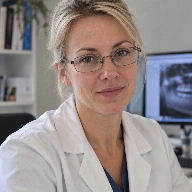
Cranberry Dental Arts is led by Dr. Wuyang Li, DMD, PhD. Dr. Li began his dental career in China with a Bachelor of Dental Surgery before earning a Master of Science in Oral Biology and a Doctor of Philosophy in Oral and Craniofacial Sciences from the University of Pittsburgh. His doctoral research focused on the temporomandibular joint and temporomandibular disorders.
He later completed the University of Pittsburgh's advanced standing dental program and earned his Doctor of Dental Medicine degree.
His clinical services include preventive dentistry, fillings, crowns, bridges, root canal treatment, tooth extractions, bone grafting, dental implants, pediatric dentistry and emergency care. He is also certified to provide nitrous oxide sedation for appropriate patients who need additional support during treatment.
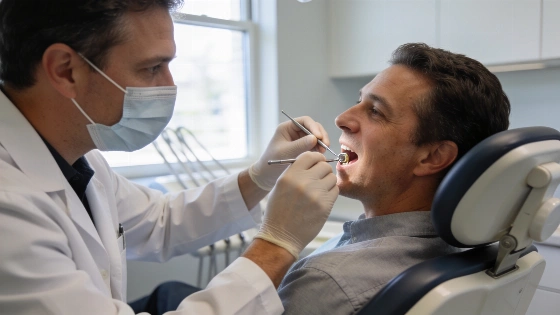
Comfort is treated as part of the clinical process. Dr. Li and his team listen to concerns, explain findings and discuss recommendations in understandable terms. Nitrous oxide is available for suitable patients who experience dental anxiety or difficulty remaining comfortable during treatment.
The practice serves patients in English, Spanish, Mandarin and Cantonese. Saturday appointments add flexibility for people who cannot easily attend during the working week. Emergency services address severe tooth pain, damaged teeth, lost restorations, infections and other urgent oral health concerns.
The publication also notes Saturday availability, but it does not provide data on the number of appointments offered, schedule utilization or the volume of care delivered.
Cranberry Township is located in Butler County, Pennsylvania. A municipal reference profile lists the township's population at 33,096 and gives the municipal building address as 2525 Rochester Road, Suite 400, Cranberry Township, PA 16066. The municipal profile makes clear that these are community-level details rather than patient or dental-market statistics.
Cranberry Dental Arts combines broad clinical coverage with implant planning, multilingual communication and access to urgent care. The practice describes its model as connecting diagnosis and treatment sequencing in one patient record. Restoration remains within the same care setting.