Dental practices are moving away from treating student placements as a formality. A new approach is taking hold: dental hygiene and therapy (DHT) students are now being integrated into general practice teams, with an emphasis on the full General Dental Council (GDC) scope of practice and strong clinical governance. This isn't just about training-it's about expanding preventive and periodontal care, improving recruitment, and building a more resilient service from the ground up.
In the UK, GDC registration remains a strict prerequisite for dental therapists, and recent NHS job postings require at least three years of relevant experience for clinical mentorship roles.
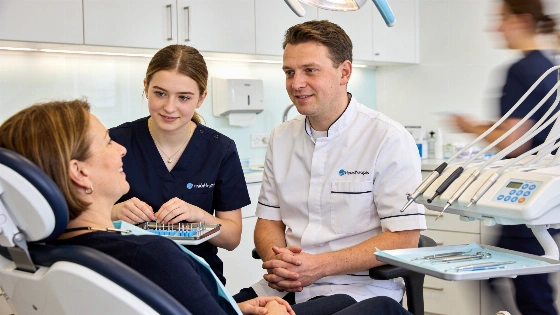
Evidence from outreach and community-based dental education supports this approach. Students gain confidence, see a wider range of patients, and develop a practical understanding of how services run. When clinical educators are present throughout treatment, students feel supported and supervision is consistent-mirroring the teamwork that's now essential in dental practice.
For practices, the benefits are clear. Placements become a long-term investment in the workforce, not a short-term burden. Practices gain extra capacity, make better use of skills, and strengthen their recruitment pipeline. Organisational learning and quality improvement follow naturally. This isn't just theory: a placement model built on clear delegation, staged autonomy, transparent consent, and steady supervision leads to real improvements in patient safety and service quality.
The UK Research and Innovation (UKRI) now mandates that placements for ESRC-funded PhD students must be high-quality, take place in academia, policy, business, or civil society, and cannot begin in the first months of the doctorate. This reflects a broader trend toward formalising and monitoring the quality of practical placements in UK education.
Consistency among supervisors is key. Regular meetings to review assessment criteria, documentation, and escalation thresholds help ensure every student gets reliable, high-quality supervision. This supports patient safety and models the kind of coordinated teamwork needed in modern dental care.
Early, structured exposure to primary care helps students adjust more smoothly from university clinics to independent practice. They learn to manage time, handle uncertainty, and communicate with patients in busy settings. These placements are especially useful for developing consultation skills, periodontal communication, and integrating restorative workflows-skills that are hard to teach in academic clinics alone.
As digital innovation changes dental care, bringing DHT students into general practice placements reflects the profession's shift toward flexible skill mix and workforce adaptability, as reported earlier. The result is a more resilient, patient-focused service that benefits patients, universities, and practices alike.
Embedding DHT students in general dental practice is more than an educational update. It aligns with GDC standards, improves patient safety, and helps secure the future of the dental workforce. Practices that adopt this model invest in the next generation of clinicians and strengthen their own quality, resilience, and patient trust.