
IMARC Group says the US dental implants market will jump from USD 1.5 billion in 2026 to USD 2.3 billion by 2034. That's a 5.76% CAGR. The reason? People want more than just a working tooth. They want a natural look that lasts.
In the United States, dental implants are classified by the FDA as medical devices, with endosseous dental implant accessories assigned regulatory number 872.3980 and classified as Class 1.
But it's not just about tech. The US population is aging. Dental problems like gum disease and tooth decay are on the rise. More people know about cosmetic dentistry. All of this is pushing the market higher. Dental tourism is also changing the field. Some Americans go abroad for cheaper care. US clinics are fighting back with better prices and service.
Titanium implants lead the market. They last and work well with the body. Zirconium is catching on for people who want a metal-free, tooth-colored option. Endosteal implants are the most common. But subperiosteal, transosteal, and intramucosal types are finding their place for patients with special needs.
The FDA maintains a dedicated category for AI-enabled medical devices, and in 2026, new solutions for dental imaging and diagnostics were added to this registry, highlighting the rapid digitalization of the dental ecosystem surrounding implantology.
Different regions show different trends. The Northeast uses its strong healthcare system and higher incomes. The South sees more demand from older adults and retirees. The Midwest serves both cities and rural areas. The West stands out for tech-focused, high-income patients.
There are hurdles. High costs, uneven insurance, tough rules, and not enough skilled workers slow things down. Some patients fear surgery. Others look for cheaper options.
Still, the market keeps growing. AI is now part of treatment planning. Big dental chains are expanding. Cheaper options are coming. Companies and clinics are teaming up and pouring money into research. They want to stay ahead.
Major players are moving fast. ZimVie Inc. launched its Immediate Molar Implant System in April 2025. It added wide-diameter implants and DAE surface tech to its TSX and T3 PRO lines to fight peri-implantitis. Dentsply Sirona rolled out the MIS LYNX premium implant in March 2025. It's built for strong stability and quick placement in many bone types.
The race is on to reach USD 2.3 billion. Winners will be those who invest in new tech, teach patients, and keep prices fair. The next decade will not reward those who stand still. Only the flexible will thrive in this tough market.
A September 2026 industry report says US dental equipment makers saw mixed results but expect better growth later in the year. The sector keeps modernizing and investing in high-value tech.
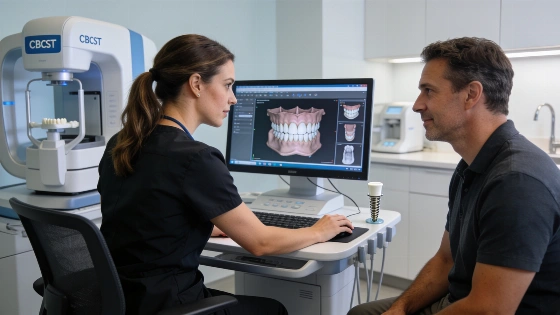
Dental journals in 2026 link implantology with digital planning, CAD/CAM, and 3D imaging. They say CBCT is key for implants, checking impacted teeth, and planning surgery. But experts warn CBCT is not for routine checks. It's best for tough cases where 2D images don't give enough detail.