
Jogging for just five minutes a day can lower your risk of heart disease and early death. That's not a marathon-just a few minutes of movement, and the data is clear: even modest activity delivers measurable benefits. The Healthy's review of recent studies exposes a blunt truth-most people overlook the power of small, repeatable habits until the consequences are impossible to ignore.
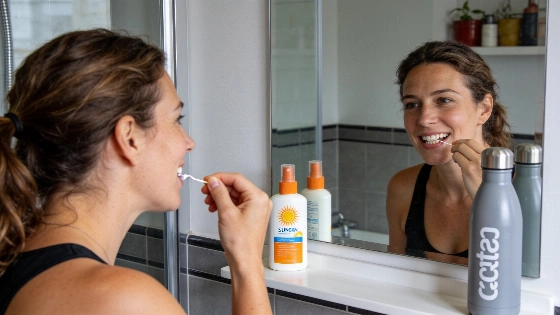
Consider oral care. Flossing before bed may seem trivial, but research links poor gum health to cardiovascular disease and even endocarditis. The Healthy points to daily flossing, twice-daily brushing, and regular dental checkups as a trio that does more than keep your smile clean-they help shield your heart and immune system. For those who find flossing uncomfortable, dental professionals can recommend alternatives, but the message is unambiguous: oral hygiene is a frontline defense, not an afterthought.
Meanwhile, the social fabric of your life is more than a comfort-it's a health asset. A University of North Carolina at Chapel Hill study cited by The Healthy found that friendships forged early in life can protect health decades later. Loneliness, on the other hand, is associated with a weakened immune system and increased risk of heart attack, stroke, and depression. The solution isn't to fill your calendar with forced gatherings, but to nurture meaningful connections-whether that's a recurring coffee date, a book club, or a simple check-in message. Relationships, it turns out, are as vital as any prescription.
Sun protection is another habit that pays dividends. The Healthy references an Australian study tracking over 900 participants for four years. Those who used sunscreen daily, with proper reapplication, showed fewer visible signs of skin aging. While sunscreen won't freeze time, the evidence is strong enough to warrant making it a daily ritual, not just a beach-day afterthought. Keeping sunscreen by the door or in your bag transforms it from a seasonal accessory to a year-round shield.
Hydration choices also matter. The Healthy highlights research linking higher water intake to a lower risk of bladder cancer, while sugary drinks are tied to markers of accelerated aging. The American Cancer Society recommends eight cups of water a day, though individual needs vary. The practical approach: swap one sugary drink for water, keep a refillable bottle handy, and make hydration a habit rather than a chore. Perfection isn't the goal-consistency is.
What unites these routines is their accessibility. None require radical lifestyle overhauls or expensive interventions. Instead, they demand intention and repetition. The Healthy's analysis makes it clear: the cumulative effect of these habits is far greater than any single quick fix. The evidence doesn't promise immortality, but it does offer a blueprint for stacking the odds in your favor.
Too often, health advice is packaged as all-or-nothing. This narrative is not only unrealistic-it's counterproductive. The real opportunity lies in sustainable, incremental change. Whether it's flossing, moving, connecting, hydrating, or protecting your skin, the science supports a simple verdict: your future health is built on the choices you make today, not tomorrow. Ignore these habits at your own risk-because the data shows your body keeps the score.