
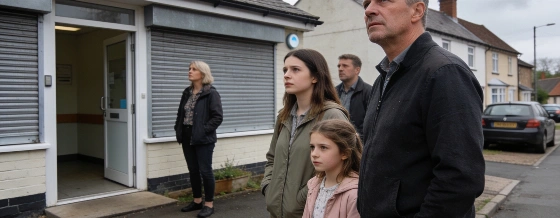
England's dental access crisis is already affecting more than two million people. Recent research shows that 2.34 million residents now live in so-called dental deserts-areas more than 5 km from the nearest NHS dental provider. Nearly 190,000 of these people are in high-need areas, where deprivation makes the lack of care even harder to overcome.
What happens as the population grows or ages, or as deprived communities expand? The study's spatial analysis makes it clear: the current network of dental providers can't keep up. Even a modest 5% increase in the general population would leave another 117,135 people in dental deserts, with 9,477 more in high-need zones. If growth is concentrated in deprived areas, the effect is worse-high-need desert populations jump by 18,960, almost double the increase seen with general growth.
"By 2025/26, more than 13 million people in England-over one in four adults-still lacked access to NHS dentistry, highlighting the scale of the ongoing access crisis."
BDA estimate
Ageing, often blamed for rising healthcare demand, has little effect here. The real driver is growth in deprived areas, which exposes how poorly the system protects its most vulnerable. Rural and semi-rural places like Cornwall, East Lindsey, and East Riding of Yorkshire see the biggest increases, showing that geography and poverty together make dental access even harder.
This isn't a new problem. As reported earlier, the shortage of affordable dental care has already led to scams and misinformation, targeting people desperate for treatment. The new data confirms that the shortage is real, growing, and mapped in detail.
For NHS planners and policymakers, the message is clear: the current spread of dental providers does not adapt well to demographic change. Population growth, especially in deprived areas, is making dental deserts larger and more severe. The evidence calls for targeted action-expanding services where the need is greatest, not just everywhere at once. Without this, millions will remain without care, and the most deprived will suffer most. Small adjustments are no longer enough; only focused, data-driven planning can change the trend.
"Since March 2017, one in ten dental practices in England has left the NHS to move into the private sector, significantly reducing the network of NHS dental provision."
Mirror, Press investigation (link)
A recent BDA analysis shows the crisis is not easing: more than 13 million people in England-over a quarter of adults-remained without NHS dental care in 2025/26. Regional differences persist. Some areas, like Lancashire and South Cumbria, report higher-than-average access for children (65.1% seen in the last year) and adults (43.5% seen in the last two years), while other regions fall far behind.
The government has announced what it calls the "most significant dental contract reforms in years," aiming to prioritize patients with the greatest needs. But the impact on access is still uneven. Local authorities and media continue to describe many regions as "dental deserts," and calls for stronger solutions are growing. In September 2026, NHS England published technical updates on dental regulations, including rules on controlled drugs and antibiotic prophylaxis. These changes reflect ongoing regulatory work but do not address the main problem of access.