
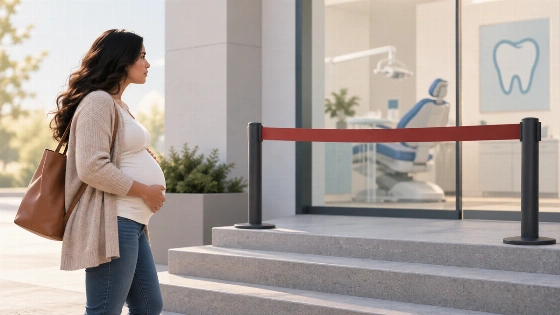
Pregnant women in Indiana are running into wall after wall when they try to get dental care. State rules, high costs, and job limits keep many from the dentist's chair. The result: mothers and babies face health problems that could have been prevented.
Indiana Medicaid does not automatically cover many complex dental procedures for adults, and medically necessary orthodontic services require a separate approval process.
Medicaid is supposed to help, but in Indiana it only covers some preventive dental care. Early treatment that could stop pregnancy-related dental issues is often out of reach. When problems get worse, Medicaid's spending limits mean many women can't finish needed treatment. Indiana Health Coverage Programs say that adults need extra approval for some orthodontic care, and coverage for complex dental work isn't automatic. Private insurance doesn't solve the problem. High deductibles and big out-of-pocket bills force families to put off dental visits, especially when other medical or baby costs come first.
For low-income and rural families, things get even harder. Indiana law doesn't guarantee paid sick days or family leave. Only 58% of the lowest-paid workers have paid sick leave, compared to 80% of private sector workers overall. A labor law compliance review found that many pregnant women have to save their limited time off for childbirth, skipping dental appointments. Women outside cities face long drives to find in-network or specialist dentists, making care even harder to get.
Clinical guidelines emphasize that dental care should not be postponed during pregnancy, and professional associations recommend that pregnant patients receive necessary treatment without delay.
Brushing and flossing at home can't make up for a system that blocks access to professional care. The report's authors want big changes: expand Medicaid dental coverage, strengthen paid leave, and cut out-of-pocket costs so no pregnant woman has to pick between her health and her paycheck.
Indiana isn't alone. As reported earlier, other regions far from the Midwest are also struggling with dental care shortages, showing the same pattern of policy gridlock and financial barriers.
This report is a blunt warning about Indiana's approach to maternal dental health. The numbers show that small fixes and "personal responsibility" campaigns won't solve the problem. Unless lawmakers tackle these barriers directly, Indiana's most at-risk families will keep paying the price-in health, in money, and in lost chances for their children.