
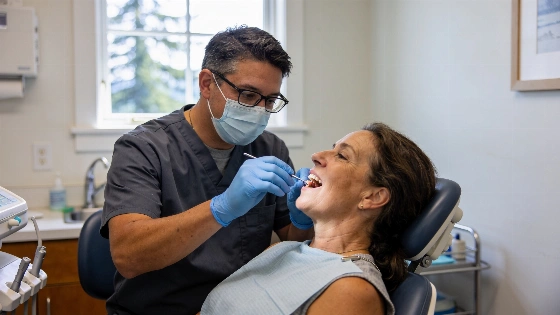
Hundreds of Orcas Island residents who once struggled to find affordable dental care are now being treated at the new Orcas Community Dental Clinic. Since opening in May 2024, the clinic has provided more than 2,500 procedures to 475 people, with over 200 patients returning for regular checkups-a major change for a rural community that has long lacked consistent dental services.
The dental clinic is just one part of a broader effort. The Orcas Island Health Care District (OIHCD) now funds a network of health services that reach well beyond Island Primary Care - Orcas. Thanks to this support, more than 3,800 residents have access to primary care, same-day and after-hours visits, and specialty care from local providers. All but one staff member at the clinic lives on the island, keeping the operation rooted in the community.
Integrated care models in rural areas often rely on partnerships between local health districts, resource centers, and county agencies to address gaps in transportation and care coordination.
The District's work doesn't stop at the clinic doors. In partnership with the Orcas Community Resource Center (OCRC), OIHCD helps cover transportation, medical bills, and care coordination for people who might otherwise skip appointments because of cost or logistics. This support is especially important for those facing barriers to care.
Dental care, often the first thing people put off when money is tight, is now available to Medicaid recipients, uninsured patients, and those unable to pay out of pocket. The Dental Care Access Program-a joint effort with the Orcas Island Community Foundation, OCRC, and San Juan County Health & Community Services-helps fill this gap. Residents can apply for these services online through the San Juan County Health & Community Services Dental Clinics page.
OIHCD's focus on integrated care also shows in its new Mobile Integrated Health (MIH) program, developed with Orcas Fire & Rescue. Specially trained EMS providers now check in with residents after hospital stays, help manage chronic conditions, assess fall risks for older adults, and connect people to resources before small problems become emergencies. The goal is to keep more islanders healthy at home and out of the ER.
While the Orcas Island initiative is notable, similar models of rural health care integration have been discussed in regional forums, emphasizing the importance of transportation and care coordination for underserved populations. However, recent independent confirmation of the specific Orcas program's outcomes or expansion is not available in official state or county records.
Oregon Health Authority
Physical therapy is another area where OIHCD's support is making a difference. With Medicaid reimbursements falling short, Orcas Island Physical Therapy was at risk of cutting services for low-income patients. District funding now helps cover the gap, so high-quality therapy remains available to everyone, regardless of insurance.
OIHCD also helps fund the Community Health Network, a countywide group that brings together health care districts, hospitals, family resource centers, and local government across the San Juan Islands. The Network works on problems like transportation, insurance, and behavioral health-issues too big for any one island to solve alone.
Orcas Island's approach shows that rural health care doesn't have to mean going without. By investing in partnerships and targeted programs, OIHCD is expanding access and building a system that keeps care local, affordable, and responsive. For other rural communities, it's a clear example of what focused leadership and collaboration can accomplish.