
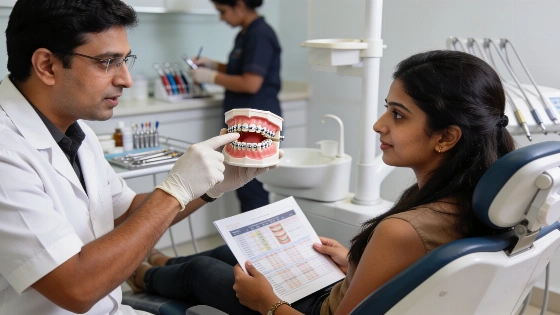
Forget the era when orthodontic care meant a rigid, impersonal process. At Whistle Teeth Braces, the script has flipped: patients now expect their treatment to reflect their own dental realities, not a generic template.
What's driving this shift? Patients are no longer satisfied with vague promises or standardised solutions. They want to know exactly what their orthodontic journey will entail, how much it will cost, and why a particular approach is right for them. Whistle Teeth Braces has seized on this demand, making individual assessment and transparent communication the core of its offering.
"Every smile is different, and orthodontic treatment should take individual requirements into account," a Whistle spokesperson stated. This isn't just marketing spin. The company's process starts with a thorough dental assessment, ensuring that alignment issues, bite concerns, and personal goals are mapped out before any treatment begins. Patients are walked through their options, from traditional braces to alternative solutions, with a clear explanation of what each path involves.
Cost remains a sticking point for many considering orthodontic care. Whistle Teeth Braces refuses to treat price as a mystery or a one-size-fits-all figure. Instead, the company breaks down the factors that influence cost-case complexity, treatment duration, and the specific type of braces-so patients understand exactly what they're paying for. Searching for "Braces cost" online might yield ballpark figures, but Whistle insists that only a professional assessment can reveal the true scope and value of treatment for each individual.
This approach is resonating with a new generation of patients who want agency over their dental health. They're not just looking for straighter teeth-they want clarity, confidence, and a treatment plan that fits their lifestyle. Whistle Teeth Braces positions itself as a guide, not a gatekeeper, helping patients make informed decisions rather than pushing them toward a predetermined solution.
The company's patient-focused model is more than a marketing trend. It's a direct response to the growing expectation that healthcare-especially something as visible as orthodontics-should be as individual as the people seeking it. By prioritising transparency and personalisation, Whistle Teeth Braces is forcing the rest of the industry to reconsider whether the old ways of doing things can survive in a market where patients demand more than just results-they want to understand the journey.
As the orthodontic landscape evolves, Whistle Teeth Braces stands out for refusing to treat patients as interchangeable cases. The message is clear: in today's market, the clinics that thrive will be those that treat patients as partners, not numbers. Anything less is already obsolete.