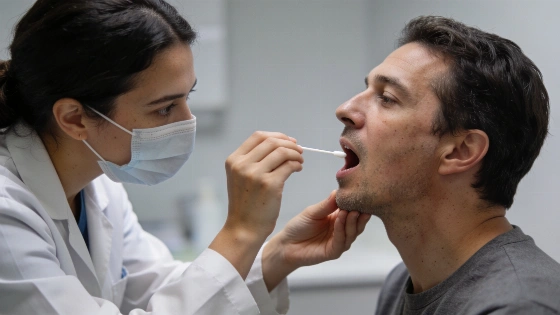
A person can carry gonorrhea in the throat without noticing a symptom, and a routine urine test may not detect it. Oral sexual contact can transmit several sexually transmitted infections. Separately, research has found an association between chronic periodontitis and erectile dysfunction. The evidence behind these links points to different risks and needs careful reading.
The mouth's microbiome includes many organisms that normally coexist with the body. Streptococcus mutans, a common tooth-decay bacterium, is an ordinary oral resident, not a sexually transmitted infection. Other pathogens can infect oral or pharyngeal tissue. They include Neisseria gonorrhoeae and Treponema pallidum, as well as herpes simplex virus and human papillomavirus, or HPV. Identifying the organism and its route of transmission matters: an infection in the mouth alone does not establish that it was sexually acquired.
Oral infections can be silent
The United States Centers for Disease Control and Prevention, or CDC, says oral sex can transmit gonorrhea and chlamydia. Its guidance on oral sex and STI risk also covers syphilis, herpes simplex virus and HPV. Transmission risk varies by infection and exposure. HIV transmission through oral sex is much less likely than through unprotected vaginal or anal intercourse, though the risk is not considered zero, particularly when there are mucosal breaches or high viral loads.
Throat infections may cause no symptoms. Pharyngeal gonorrhea, for example, often produces no noticeable sore throat or other local signs. A urine-based nucleic acid amplification test detects urethral infection, but can miss an infection isolated to the throat. When exposure warrants testing, a clinician needs to take an oropharyngeal swab. CDC guidance on gonorrhea testing addresses pharyngeal infection separately from urogenital infection. An accurate sexual history, including the types of contact and body sites exposed, helps determine which sites to test. A negative urine result does not rule out infection in the throat or rectum.
A sore throat or bad breath does not by itself indicate an STI. Neither does a temporary oral ulcer. These symptoms can have common causes, and diagnosis requires clinical assessment and appropriate laboratory testing. Unexplained oral lesions that persist, particularly after a possible sexual exposure, should be assessed by a healthcare professional.
Syphilis can cause a painless chancre where the infection entered, including on the lips or tongue. It can also appear on other oral tissue. The lesion may resolve without treatment, but that does not clear the infection. Herpes can spread through oral-genital contact even when no sores are visible, because asymptomatic viral shedding occurs. Avoiding intimate contact during an active outbreak or prodromal tingling can reduce transmission risk. Condoms and dental dams also reduce risk, though exposed skin may remain unprotected.
Persistent infection with high-risk HPV types, including HPV-16, can contribute to oropharyngeal cancer. Most immunocompetent people clear or suppress HPV infections within one to two years. Acquiring oral HPV does not mean cancer will develop. HPV vaccination helps prevent infection with targeted high-risk types, but it does not treat an existing infection.
Periodontal inflammation and erectile function
Studies have reported a higher prevalence of erectile dysfunction among men with chronic periodontitis. Researchers are investigating whether ongoing inflammation may affect vascular endothelial function and nitric oxide signaling, processes involved in penile blood flow. That proposed mechanism is not proof that gum disease directly causes erectile dysfunction.
The two conditions share risk factors. Diabetes and smoking are among them, as is hypertension. Dyslipidemia and obesity can also contribute to vascular disease and periodontal problems. Age and a sedentary lifestyle matter too, making it difficult to isolate the effect of gum inflammation. Most evidence for the association comes from observational research, which cannot establish a direct causal chain.
Small pilot trials have suggested that periodontal treatment may reduce inflammatory markers and modestly improve erectile-function scores. The evidence remains too limited to establish dental treatment as a primary therapy for erectile dysfunction. Treating periodontitis matters for oral health. Persistent erectile difficulties warrant medical assessment because they can be associated with vascular disease.
Oral health can also affect comfort and confidence around intimacy. Dental pain or visible damage can make some people self-conscious or lead them to avoid close contact. Persistent halitosis can have the same effect. The impact varies between individuals. A related whole-body health discussion has considered why oral care belongs in wider wellbeing, while cautioning against overstating what the evidence can show.
Practical prevention and care
Barrier methods can lower the risk of many infections during oral sex. Condoms are used for oral-penile contact, while dental dams can provide a barrier during oral-vaginal or oral-anal contact. HPV and hepatitis B vaccines protect against targeted viruses. People with new or multiple partners can discuss screening with a clinician. They can also request throat testing when oral exposure makes it appropriate, since urine-only testing may miss pharyngeal infection.
Brushing twice daily with fluoridated toothpaste and cleaning between teeth support gum and dental health. They do not prevent STI transmission. Vigorous brushing or traumatic flossing immediately before oral sex can cause small injuries to the oral lining. Antiseptic mouthwash has not been shown to reliably prevent pharyngeal gonorrhea. It is not a substitute for barriers, vaccination, screening or prescribed treatment.
Anyone concerned about a possible high-risk HIV exposure should seek immediate medical assessment. When indicated, post-exposure prophylaxis must begin within seventy-two hours, as outlined in CDC guidance on HIV post-exposure prophylaxis.