
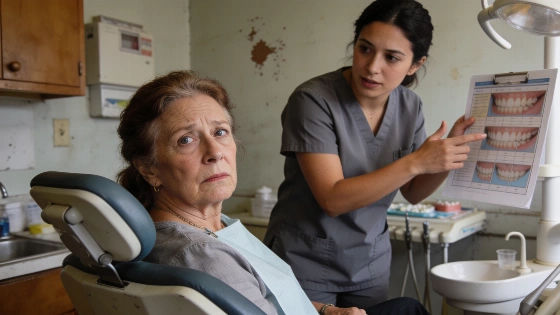
Medicare does not cover most dental care for older adults. This is not a mistake or a technicality. It is a built-in gap that leaves millions of people dealing with dental problems they could have avoided, but with no help. The decision to leave out dental coverage is not just paperwork. It has real effects on health and fairness.
According to federal data, about one-third of Medicare beneficiaries have no dental coverage at all, making out-of-pocket costs the main barrier to care for millions of older adults.
Morales laid out the main barriers. Older adults face high costs and few insurance options for dental care. These problems do not hit everyone the same way. People in communities already facing health gaps get hit the hardest. For them, aging piles on top of other disadvantages.
Oral health is tied to overall health. This is not just theory. Dental problems that go untreated can turn into serious medical issues. But the current system forces older adults to pay out of pocket or skip care. This is not just an inconvenience. It is a public health risk.
From 2022 to 2024, Congress and policy experts have repeatedly debated expanding dental benefits in Medicare, but no nationwide mandate for routine dental coverage has been enacted. The issue remains a subject of ongoing legislative and policy discussion.
There are policy ideas to expand dental coverage. But as Morales and Altman discussed, progress is slow. Real change will take political will and public pressure. The stakes are high. The current system is failing the people who need help the most.
Some people with Medicare Advantage plans get dental coverage as an extra benefit. But these benefits are not the same everywhere. They depend on the plan and do not change the rules for Original Medicare. Recent CMS policy updates show that dental coverage is still patchy and tied to certain medical needs, not offered to everyone.
Scams are also a problem. There have been warnings about fake dental subsidy ads aimed at older adults, as reported earlier. These scams show how desperate and confusing the situation has become. When real care is out of reach, it is easy for bad actors to take advantage of vulnerable people.
Leaving dental care out of Medicare is not a small detail. It is a major flaw that hurts health and fairness for older adults. Unless lawmakers face this problem directly, seniors will stay at risk, and the health system will keep paying for dental problems that could have been prevented. Small fixes are not enough. Older adults need full dental coverage. It is not just a policy idea. It is a basic need.