
California's abrupt decision to delay slashing Medi-Cal dental benefits for immigrants by a year has done little to calm the storm of anxiety and confusion gripping affected communities. For many, the threat of losing access to basic dental care still feels imminent, and the state's sluggish communication has only deepened the uncertainty.
In late June, state legislators and Gov. Gavin Newsom struck a deal to push back a raft of Medi-Cal budget cuts, including the controversial reduction in dental coverage for immigrants. The move was hailed as a victory by advocacy groups and providers, who had watched patients flood dental offices in a desperate rush for last-minute cleanings and treatments. Yet the celebration was short-lived. The state's Department of Health Care Services (DHCS) failed to promptly notify the 4.6 million immigrants who had already received letters warning them of impending benefit loss. Correction notices lagged behind, and as of September, many health insurers still had not been formally instructed to inform members that their dental coverage was safe-at least until July 2027.
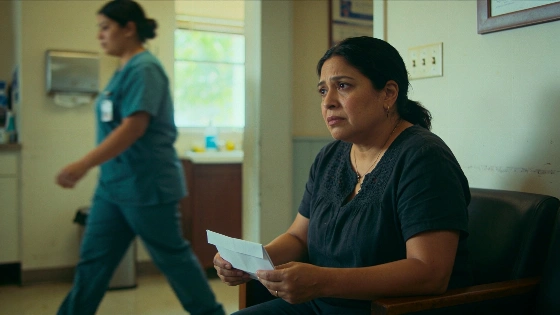
For patients like Esperanza, an undocumented former farm worker in Tulare County, the bureaucratic whiplash has been devastating. After receiving the initial cancellation letter in May, she broke down in tears, convinced she would soon be unable to treat her worsening dental pain. "Es una tristeza," she said. _It's heartbreaking._ Even now, with the policy reversal, Esperanza remains in the dark-her correction letter never arrived, and she hesitates to seek care, fearing she will be turned away or told it's too late.
The stakes are not abstract. Dental care for low-income adults is a policy afterthought in much of the United States, and federal law does not require Medicaid to cover oral health. In California, the need is acute: the Centers for Disease Control and Prevention reports that one in five U.S. adults has untreated tooth decay, and immigrants-especially those without insurance-face even higher rates of cavities and periodontal disease. The consequences are not limited to toothaches; untreated dental disease can trigger infections, worsen chronic illnesses like diabetes and heart disease, and erode quality of life.
California stands nearly alone in offering Medicaid-funded dental benefits to low-income immigrants regardless of status, but this generosity comes with a catch: the coverage is perpetually vulnerable to budget cuts and political maneuvering. The latest delay only postpones the reckoning. Roughly 2.3 million immigrants are now set to lose their dental benefits on July 1, 2027, unless lawmakers intervene again. Meanwhile, confusion reigns. Many immigrants, battered by years of policy reversals and threats to their care, have simply stopped seeking dental treatment-either because they believe their benefits have already ended or because they no longer trust the system to protect them.
"The budget might change on paper, but people are not instantly going to regain their sense of security," said Ruqayya Ahmad, oral and behavioral health policy manager at the California Pan-Ethnic Health Network. "When the same communities keep seeing their benefits on the chopping block, that can really discourage people from seeking care." The numbers back her up: from January through June, more than 220,000 immigrants-16% of those enrolled in California's Medi-Cal expansion-have already dropped or lost coverage.
The broader landscape is bleak. Across the country, state-level programs for undocumented and other federally ineligible immigrants are being dismantled. Federal authorities have begun using hospitals and clinics as sites for immigration enforcement. In October, another 1.4 million lawfully present immigrants will lose federal Medicaid coverage due to eligibility changes in the 2025 budget bill. In California, a new enrollment freeze and looming premium requirements threaten to push even more immigrants out of the safety net.
For Esperanza, the reprieve is cold comfort. She waits months for a dental appointment, rinsing her mouth with salt water to dull the pain, and wonders how she will cope if her benefits vanish for good. "De verdad, es bien triste," she said. _Truly, it's very sad._
California's one-year delay is not a solution-it is a tactical pause in a relentless campaign to shrink the social safety net for the state's most vulnerable. The state's failure to communicate clearly and quickly has left millions in a fog of fear, and the underlying message is unmistakable: immigrant health remains a bargaining chip, not a priority. Until lawmakers commit to stable, transparent coverage, the cycle of panic and neglect will continue-and the real cost will be measured in pain, lost teeth, and broken trust.