Kenya is overhauling its health system. The country is putting money and effort into Universal Health Coverage and primary care. But oral health is still left out, even though dental disease is everywhere and affects more people than many other conditions the government calls priorities.
In 2026, the Kenya Dental Association publicly advocated for integrating oral health into general healthcare, highlighting the link between oral diseases and sexually transmitted infections, and pushing for a broader role for dental professionals in the health system.
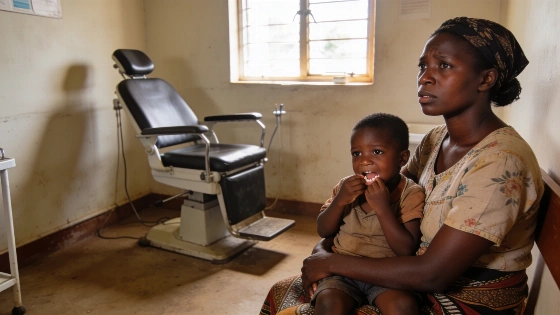
Only 13% of health facilities in Kenya offer dental services. Rural areas and primary care clinics have the biggest gaps. The Ministry of Health says there are just 0.27 dentists for every 10,000 people. The need is huge, but the services are missing. This is not just a small oversight. It is a flaw in how the system is built.
Why does this keep happening? It is not because there are no policies. The Kenya National Oral Health Policy 2022-2030 says oral health should be part of non-communicable disease programs, primary care, and UHC. The real problem is that these plans are not put into action. Oral health is treated as if it is separate from the rest of the body. But gum disease and tooth decay share risk factors with diabetes, heart disease, and cancer. Treating these problems often needs doctors and dentists to work together.
In 2026, the World Health Organization reported that Kenya's Ministry of Health, with WHO support, was finalizing a National Action Plan to expand PEN-Plus, confirming that UHC and primary care reforms are ongoing and now include management of severe noncommunicable diseases at the primary care level.
Health financing reform is a chance to change things. The Ministry of Health is looking at oral health benefits under the Social Health Authority as part of UHC. But a 2026 review of the Social Health Authority benefits package shows dental care is not listed as a separate benefit. It is not clear if dental care will be covered in the new insurance system. At best, it is not named as a basic right in the main document. This leaves big questions about whether Kenyans will get the dental care they need under UHC as explained in the 2026 SHA clarification.
Bringing oral health into the system is not just talk. Maternal and child health clinics, immunization visits, NCD clinics, and schools already reach millions. These places should be used for oral health education, screening, and referrals. Kenya's growing network of Community Health Promoters, who use the electronic Community Health Information System, can teach families about oral health and spot problems early. But collecting data is not enough. Counties need to use this information to send help where disease is worst and services are missing.
Integration means nothing if there is no capacity. It does not help to find disease if clinics have no dental staff, working equipment, or basic supplies. National and county governments must set aside steady budgets for oral health, supply clinics, and send workers where they are needed. Facility budgets should cover ongoing costs. The government should invest to build up capacity. The private sector already provides much of the dental care in Kenya. It needs to be part of the solution through smart purchasing and public-private deals. The real issue is not who owns the dental chair. It is whether Kenyans can get the care they need, when they need it, at a price they can afford.
Some problems, like dental fluorosis, cannot be fixed in the clinic alone. Too much fluoride in some communities' water needs action from health officials, county governments, and the water sector. Waiting for children to show up with fluorosis is a failure to prevent disease. The same goes for all oral diseases: action must come before the dental chair, not after.
Kenya is not the only country dealing with the fallout from split-up care. More countries are calling for doctors and dentists to work together. In Europe, recent efforts have linked dental visits with diabetes screening. The lesson is simple. Health systems that treat the mouth as separate from the body end up with more preventable disease and higher costs.
Kenya already has many tools: a national policy, community health workers, digital data, schools, clinics, and a strong private sector. What is missing is a way to connect them. The next round of reforms should not be judged by how many dental projects exist on their own. What matters is how well oral health is built into the new UHC system. That means moving prevention closer to families, finding disease sooner, buying the right services, and making sure treatment is actually there when needed.
Universal Health Coverage means nothing if it leaves out the mouth. A child who cannot learn because of dental pain, a diabetic who needs joined-up care, a family that cannot afford treatment-these are not side issues. They show whether Kenya's health reforms are truly for everyone. It is time to stop treating oral health as an afterthought. The mouth is part of the body. Kenya's health system must finally act like it.