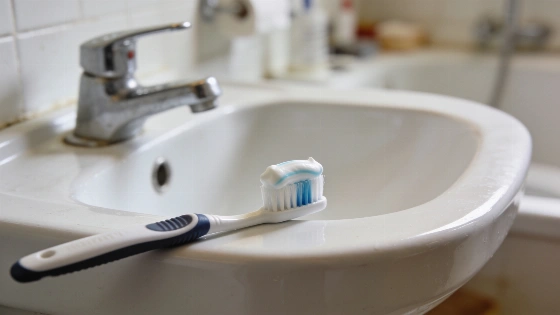
Wetting your toothbrush before brushing feels normal to many people. But Dr Jas Sagoo says this habit could quietly hurt your oral hygiene. Dr Sagoo, a general and cosmetic dentist at Perfect Smile Spa, explains that adding water-before or after the toothpaste-can actually make your brushing less effective.
Dental associations in the UK and US do not list wetting the toothbrush as an essential step for effective cleaning; instead, they emphasize brushing for two minutes with a fluoride toothpaste.
Dr Sagoo suggests a simple fix: put a pea-sized amount of toothpaste on a dry brush. Clean your teeth at a 45-degree angle to the gumline, using small circles for two minutes. He says you don't need to soften the bristles with water unless your brush is very stiff or worn out.
The NHS recommends waiting at least 30 minutes after consuming acidic foods or drinks before brushing your teeth, as acids can temporarily soften enamel and increase the risk of damage if brushed too soon.
Keeping up with brushing and flossing, plus seeing your dentist every six months, is key to stopping cavities and gum disease. For a wider look at oral health, a recent report points to the oral microbiome as an important part of dental wellbeing.
Dr Sagoo's advice cuts through the confusion of mixed oral care tips. The message is simple: skip the pre-brush rinse and focus on gentle, thorough brushing. That gives your teeth and gums the best chance at staying healthy. With so many dental products and trends out there, sometimes the best change is the simplest-just use a dry brush and take your time.
The American Dental Association says the most important parts of brushing are using a soft-bristled brush, brushing for two minutes twice a day, and using gentle circles along the gumline. The ADA does not say you need to wet your brush.
The NHS also says to use fluoride toothpaste and spit out the extra paste after brushing, but not to rinse with water. This lets the fluoride stay on your teeth longer and helps protect against decay. You can find these tips in the NHS dental hygiene guidelines.