
In Spain, cardiovascular diseases were associated with more than 113,000 deaths in 2025. They account for more than 5 million hospital stays each year.
Their direct cost to the healthcare system exceeds 9 billion euros annually. That figure represents more than 7 percent of national healthcare spending.
CardioAlianza cites 26,711 deaths from ischaemic heart disease in Spain in 2025, while cardiovascular conditions account for roughly one in four deaths nationally.
Cardiovascular diseases are the second leading cause of death in Spain. The General Council of Dentists and the Spanish Dental Foundation say oral health is linked both to the onset of these diseases and to their progression.
The organisations also point to the role of dentists. That role includes prevention and the care of patients with cardiac problems.
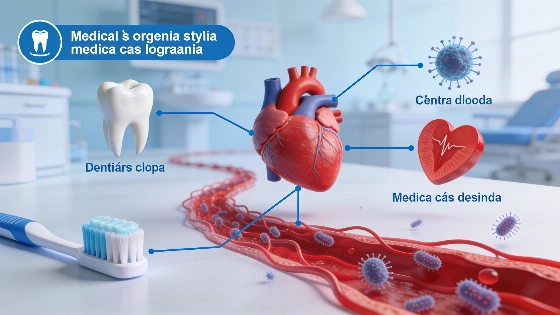
Infective endocarditis is the main concern when oral bacteria enter the bloodstream and attach to damaged or artificial heart tissue. Microbe Online lists viridans group streptococci among the important organisms linked to this risk. That helps explain the connection between dental infection and heart-valve health.
The campaign slogan is simple: "Take care of your mouth, protect your heart."
Preventive antibiotics before dental treatment are generally reserved for patients at very high risk, including people with prosthetic heart valves, a previous episode of endocarditis or certain congenital heart conditions.
The planned Oral Health and Heart Campaign will share public information through a dedicated microsite. The site is scheduled to be fully available on November 2.
Its materials are expected to include brochures, infographics, a manual on oral and cardiac health, a decalogue and a video for the general public.
For dental professionals, the campaign is preparing an App on cardiovascular events linked to oral health. It will also cover clinical recommendations for treating patients with cardiac problems. Dentists can register through the campaign website until October 19.
A preventive antibiotic dose does not replace routine oral care. Bacteria can enter the bloodstream during everyday activities such as brushing and chewing.
Regular cleaning, dental check-ups and prompt treatment of infection remain central to prevention, according to the oral-microbiology guidance cited in the campaign's background materials.
Antibiotic prophylaxis remains an international point of debate. It is not a routine measure for most dental patients.
The patient's dentist and cardiologist should make the decision when relevant. That discussion is especially important for people with a prosthetic valve, a history of endocarditis or a qualifying congenital heart defect.
The wider cardiovascular policy debate also focuses on preventing repeat events. In 2026, Spanish cardiology organisations and patient groups called in the Senate for stronger secondary prevention after heart attacks and strokes.
Long-term care matters too. Oral-health measures form part of that wider effort.