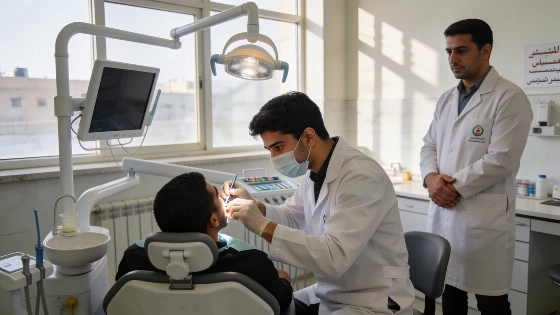
For the first time, dental students at the American University of Iraq, Sulaimani (AUIS) are leaving the simulation lab and working with real patients. In the new Teaching Dental Clinics, students treat people under the watch of experienced supervisors. This is a clear break from theory-only training. Now, students take on real responsibility for patient care in a modern clinic with digital equipment.
Sulaimani is already home to established dental and educational institutions, with the Times Higher Education confirming the presence of a university campus in the city, though without specific details on the new AUIS clinic.
Inside the clinics, students now see real patients. Professional supervisors guide them through each step. This setup is meant to build practical skills and make sure graduates are ready for real clinics, not just exams. The clinics use up-to-date dental technology and digital tools. This helps close the gap between textbook learning and what dentists face in practice.
AUIS is making this move as dental education everywhere shifts toward digital tools and direct mentorship. This trend was covered earlier in the context of clear aligner training. By opening the clinics to the public, AUIS is also giving Sulaimani residents more access to dental care. The clinics are open from 9:00 am to 2:00 pm on working days, though this schedule has not been independently confirmed in public sources.
The dental services market in the region faces ongoing supply challenges. In September 2026, Shafaq News reported a shortage of dental consumables at the Kirkuk dental center, highlighting broader pressures on Iraq's dental infrastructure.
While the AUIS Teaching Dental Clinics are a big step for dental education in Sulaimani, there are still no independent reports from Reuters, AP, Bloomberg, or official government sources about the clinic's operations, patient numbers, or early results. There are also no official statements from AUIS, the Iraqi Ministry of Higher Education, or local regulators confirming project goals, patient intake, equipment costs, or job creation figures in public sources.