Brian Quaid's jaw was still numb and his face bruised when he did the math: $50,000 for dental work in the United States, or $5,000 for the same treatment in Mexico. He chose Mexico, joining the steady stream of Americans who cross the border at dawn-not for beaches or tequila, but for root canals, crowns, and implants in a place now called "Molar City."
The dental district of Los Algodones is concentrated within just a few blocks near the Andrade border crossing, making it easy for patients from the US and Canada to compare clinics and prices.
Inside Los Algodones, the change is obvious. Where Prohibition-era bars and strip clubs once drew Americans with cheap alcohol, hundreds of dental clinics now line the streets. Street touts-jaladores-call out in English, offering discounts on root canals and vision exams. Billboards call the town the "dental capital of the world." Pharmacies, taco stands, and beauty salons fill the spaces between clinics. The Purple Pharmacy's plastic bags are everywhere, stuffed with prescription drugs at a fraction of US prices.
This shift started with Dr. Bernardo Magaña, who opened a dental clinic across from the border in 1969. By the 1980s, as mayor, he closed the brothels and pushed the town toward medical tourism. Today, clinics like Sani Dental run with assembly-line efficiency, employing dozens of dentists and technicians, using 3D scanners and digital X-rays, and even offering free hotel stays for patients who spend enough on treatment.
BBC has reported on the risks associated with dental tourism, highlighting the importance of verifying clinic licenses and the quality of cross-border dental care, especially at hotel-based events.
But the low prices come with risks. The American Dental Association says Mexico has many excellent dentists using high-quality materials, but urges patients to research clinics carefully. If something goes wrong, legal options are limited, and fixing botched work back home can be extremely expensive. The pace is fast-some clinics see dozens of patients a day, with long sessions that leave visitors swollen and exhausted. Local dentists argue that high patient volume makes them more skilled. As one put it, "When you have a surgeon doing 500 implants a year, compared with an American dentist doing 80 on average, the Mexican dentist's hands are much more experienced and the work is better."
At breakfast in Hacienda Los Algodones, retirees trade stories of extractions and crowns over eggs and beans, comparing prices and showing off new teeth. Billy and Nancy Martinez, a retired couple from Colorado, finally got affordable cosmetic work in Mexico after years of putting off treatment for more urgent expenses. Nancy's experience was rough-she swallowed a temporary crown and lost another before her permanent ones were fitted. Billy had three root canals and left with two old implants in his pocket, planning to turn them into a necklace for Nancy.
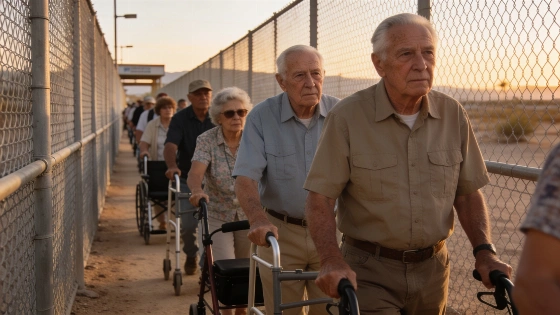
As the sun sets, patients shuffle back toward the border, cheeks swollen, bags of painkillers in hand. Some head to the Quechan tribal casino, slot machines blinking as they nurse sore mouths and wait for the next round of treatment. The scene is a blunt reminder of a US health system that forces older Americans to choose between dental pain and financial ruin. Yet just steps away, in a dusty border town once known for vice, they find a solution-one that lets them smile again without risking their homes.
The economics are straightforward: Mexican dentists face lower labor, real estate, and education costs, with state-subsidized training and little student debt. Malpractice insurance is cheaper, and clinics can operate at scale. But the risks are real, and patients have to do their own homework. As with the earlier breakdown of jawbone reconstruction research, the stakes for patients are not just about money-they are about dignity, function, and the basic right to a pain-free life.
Los Algodones is a product of American dental policy failures and the determination of people who refuse to accept them. The town's rise isn't about medical miracles, but about economic desperation and cross-border pragmatism. For now, Molar City's offer is simple: if you can't afford to fix your teeth in the United States, the answer is just across the fence, in a place where courage, cash, and a little luck can buy back your smile.