
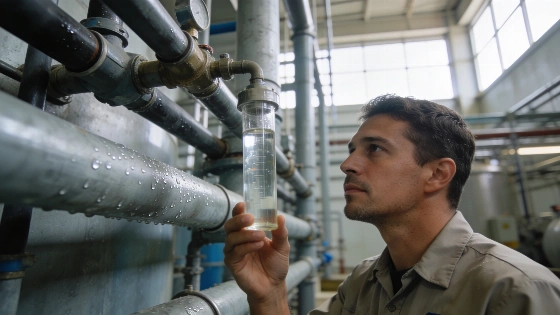
Public water systems that adjust fluoride levels serve roughly 9.7 million Texans. The programs cost an estimated $6.3 million each year.
The U.S. Public Health Service recommends a fluoride concentration of 0.7 milligrams per liter in drinking water, a level cited for balancing cavity prevention with the risk of fluorosis.
His office estimates that fluoridation costs about 64 cents per person each year. That figure applied to the roughly 9.7 million Texans served by public water systems that adjust fluoride levels produces an estimated annual cost of about $6.3 million.
The numbers diverge.
The Texas Department of State Health Services takes a different view. DSHS says community water fluoridation is safe and cost-effective. It says fluoride strengthens tooth enamel. The agency also says every $1 invested in fluoridation saves $38 in dental treatment costs for most cities.
Community water fluoridation has been used for more than 75 years. Population-level studies commonly cite a reduction in cavities of about 25%, while roughly two-thirds of the U.S. population served by public water systems receives fluoridated water.
About 105 Texas public water systems adjust fluoride levels and serve roughly 9.7 million people. Natural fluoride changes the wider picture. When systems with naturally occurring fluoride are included, about 19.6 million Texans, or 72 percent of the state population, drink water with adjusted or naturally occurring fluoride.
That distinction gives the review another question to answer. Huffines's office will examine whether taxpayers and ratepayers should fund added fluoride where natural levels may already provide enough. It will compare fluoridation with approaches used by other states and countries. The office will also review other state-supported public health mandates.
Huffines has framed the issue as a matter of transparency and medical choice, not only as a budget question. He asked whether a mandatory one-size-fits-all approach is the best way to support dental health. He also questioned whether families would benefit more from targeted, voluntary solutions.
The national debate continues.
Reuters coverage indicates that the Texas review is taking place amid a broader national debate over fluoridation. No Texas-specific outcome has been reported beyond the review announcement.
No completion date has been announced. The comptroller's office has not set a timetable for issuing findings.
The review puts a measurable public expense alongside competing claims about health benefits and personal choice. Its value will depend on whether it tests the DSHS evidence and the alternatives with equal rigor. Until that work is complete, Texas has an inquiry, not a new verdict on fluoridation.