Nearly 6,000 patients received essential dental treatment during Smile Generation Serve Day as PDS Health and partners donated over $22 million in care and tens of thousands of volunteer hours.
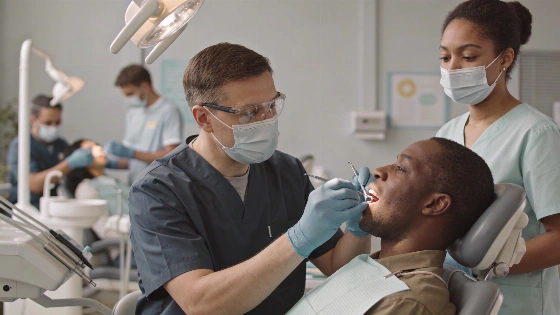
For many people in the U.S., dental care is out of reach. This August, Smile Generation Serve Day, led by PDS Health, provided more than $22.8 million in free dental services to 5,863 patients who might not have received care otherwise.
The effort was substantial. More than 14,000 PDS Health team members volunteered 83,549 hours at clinics across the country, focusing on groups often overlooked-veterans, the wrongfully convicted, and families in underserved areas. Partnerships with nonprofits like Dental Lifeline Network, Hire Heroes USA, and After Innocence helped connect care to those who need it most.
The latest U.S. Consumer Price Index continues to track dental services as a separate inflation category, highlighting that dental-cost pressures remain persistent and measurable in federal data.
Bureau of Labor Statistics
"Service changes the hearts and minds of those who serve and can have a lasting impact on the lives of those we have the privilege to help," said Stephen E. Thorne IV, Founder and CEO of PDS Health. For patients like U.S. Army veteran Alan Fricks, who began treatment at Spring Valley Modern Dentistry in Las Vegas, the impact is personal. "I'm so grateful for being chosen for this opportunity. It's life changing for me. I'm looking forward to being able to enjoy food and smile again," Fricks said. The need is clear. By 2026, an estimated 11 million adults in the U.S. will seek dental care in emergency rooms, and another 11 million will travel abroad for treatment. Smile Generation Serve Day aims to address this by bringing care directly to local communities and highlighting the connection between oral health and overall health, including links to heart disease, diabetes, dementia, and pregnancy complications. Since 2011, Smile Generation Serve Day has provided over $117 million in donated care. Patients are referred through PDS Health practices and a growing network of nonprofit partners, broadening the program's reach.
California's recent Medi-Cal dental policy changes have led to confusion and concern among immigrant adults, with some coverage now limited to emergencies only. This situation highlights broader dental-access barriers that continue to affect low-income and immigrant communities across the state.
Public Health WatchOrganization PDS Health sees oral health as part of overall health. By combining dental and medical services, the organization wants to improve patient outcomes and community health. Serve Day is not just a one-off event; it's part of a larger effort to make dental care more accessible for those who often have to choose between their health and their finances. This year's Serve Day reached more people than ever, showing that when industry leaders and community partners work together, access barriers can be reduced. For more information, visit pdshealth.com. PDS Health plans to expand further, with about 100 new offices and support for 100 new practice owners in 2026, according to a Becker's Dental Review interview. This growth is part of the company's strategy to increase access through its dental network and community programs. Meanwhile, the American Dental Association is monitoring federal access legislation, including the bipartisan DOC Access Act, which focuses on dental-care access and provider participation, as reported by ADA News.
Elliot Rowan is the Founder & Editorial Director of The Young Dentist, overseeing coverage of dentistry, oral health, evidence, professional standards, policy and dental technology. His editorial approach focuses on clinical usefulness, reliable sourcing and separating meaningful developments from speculation, marketing and headline-driven claims.
We use cookies to improve site performance, and understand how visitors use website