
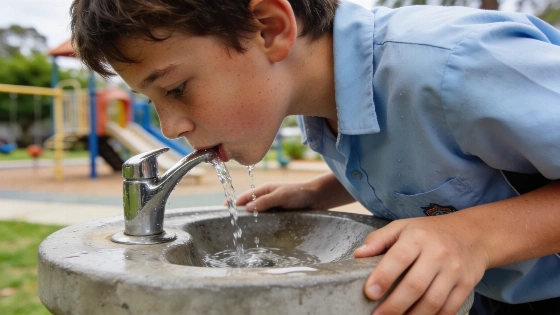
Nearly a third of Queensland children still miss out on the benefits of water fluoridation, according to the latest Queensland Child Oral Health Study (2022-24). The numbers are clear: among 5- to 10-year-olds, tooth decay rates fell from 49.5% to 39.4%-but only in areas where fluoridation was kept in place. In communities that lost or never had fluoridation, decay rates barely changed.
The QCOHS II study, released on 16 September 2026, surveyed 7,718 Queensland schoolchildren aged 5-14 and compared results with data from 2010-2012.
ADA president Dr Chris Sanzaro put it plainly: "Tooth decay is dropping across Queensland, which proves fluoridation works. But 30 per cent of Queensland kids are still missing out, and councils that opted out of water fluoridation over the last 10 years are still being left behind."
ADAQ president Dr Kelly Hennessy pointed to the study's before-and-after design and its adjustment for health habits like toothbrushing. "This study gives us up to date, local evidence on why fluoridation is important. It is the first time research has shown what fluoridation achieved for Queensland children's teeth using a before-and-after study design. QCOHS II adjusted for health behaviours, including brushing, and the fluoridation benefits remained."
The QCOHS 2022-24 study found a persistent geographic gap in untreated tooth decay: 21.1% of children in major cities had untreated decay, compared to 39.1% in remote and very remote areas, highlighting the ongoing disparity in oral health outcomes across Queensland.
While the ADAQ works to make sure families know about the CDBS, Dr Hennessy says more outreach is needed. The ongoing gap in oral health in Queensland is similar to challenges seen elsewhere, as shown in other regions trying to close care gaps.
Dr Sanzaro restated the ADA's position: "All Australians should have equal access to the benefits of water fluoridation. Fluoridation of community water supplies is preferred as a safe, effective and ethical means of reducing tooth decay in all age groups and should be implemented and maintained wherever there is insufficient natural fluoride, with adequate control and supervision. Governments must adopt water fluoridation as part of health policy and actively promote its introduction, where it is feasible, as a public health measure."
The takeaway is straightforward: letting local councils decide on fluoridation has not delivered equal oral health outcomes. The state government now faces a choice-step in to guarantee access to fluoridated water, or accept that preventable dental disease will continue in Queensland's most vulnerable communities. The QCOHS II data makes the case: public health policy should follow the evidence if Queensland wants to close its oral health gap.