
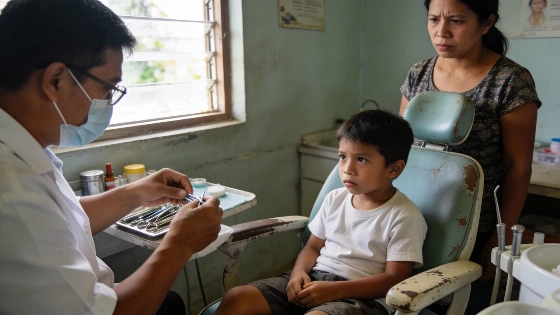
For millions of Filipinos, tooth decay and gum disease are still part of daily life in 2026. Pain, missed work, and a lower quality of life are common, even as the Department of Health's 2025 national oral health survey hoped to signal a turning point. Instead, the survey has made clear just how deep the problem runs.
The numbers have barely shifted. In 2018, the National Survey on Oral Health found that 85 percent of five-year-olds had dental caries in their baby teeth. Among 12-year-olds, 62 percent were affected. Adults averaged more than three teeth with untreated decay, and older Filipinos faced even greater tooth loss and dental problems.
In September 2026, PhilHealth launched the YAKAP preventive-primary care package nationwide, activating services across 20 Metro Manila sites and expanding to other regions.
- Philippine Information Agency
For many, seeing a dentist is still out of reach. In 2018, just over half of Filipinos surveyed had ever visited a dentist, and fewer than 40 percent went at least once a year. More than four in ten only sought care when pain forced them to. The main reasons-cost, fear, and lack of time-haven't changed. PhilHealth's preventive oral health benefit was meant to make care more affordable and accessible, but its real impact is still unclear.
PhilHealth has started rolling out the YAKAP (Yaman ng Kalusugan Program) preventive-primary care package. This includes patient registration, assignment to accredited clinics, consultations, cancer screening referrals, and access to basic outpatient medicines. According to the Philippine Information Agency, YAKAP is part of the Universal Health Care agenda, aiming to improve access to primary care, encourage early detection, and reduce out-of-pocket costs for families. In Metro Manila, the program brought free consultations, membership updates, and medicines to 20 locations. A separate school-based rollout reached more than 47,000 people in public schools, including teachers, students, parents, and staff. PhilHealth's official report covers these efforts in detail.
Oral disease doesn't just cause pain. It can make eating and speaking difficult, lead to missed school or work, and sometimes trigger more serious health problems. The burden falls on families and the health system alike.
The YAKAP program's school-based rollout converted 91 public schools across 85 cities into medical hubs, providing access to preventive care for 22,000 teachers, 18,700 learners, 6,000 parents or guardians, and 900 non-teaching personnel.
- BusinessWorld
The government's renewed focus on prevention is more than talk. The 2025 National Survey on Oral Health looked beyond counting cavities, asking about brushing habits, dental visits, smoking, and eating patterns. But the main challenge for 2026 is turning these findings into real change: affordable preventive care, regular dental visits, strong school programs, fluoride and sealant treatments, better oral health education, and more dentists in underserved areas.
PhilHealth stresses that YAKAP is a broad preventive health program, not just for dental care, and urges all Filipinos to enroll, choose a YAKAP clinic, and use their preventive benefits. The Philippine Information Agency reports that this approach is meant to make preventive care routine, not rare, and to shift the system from reacting to problems to preventing them. A detailed PIA report explains the program's framework.
For those with questions, Dr. Joseph D. Lim and Dr. Kenneth Lester Lim-both experienced in dental health-are available for advice by email and text. But expert guidance alone can't solve a crisis this widespread.
Until prevention becomes standard practice, the Philippines will keep paying the price for untreated dental disease. The data are clear: inaction leads to more than just cavities-it means lost opportunities and avoidable suffering. Whether oral health policy finally moves from words to real, lasting change depends on what happens next.