
Over the coming months, families in Fiji will receive short video messages about children's oral health. The advice will focus on simple checks that parents and caregivers can use at home before dental problems become harder to manage.
World Oral Health Day is observed on March 20, and campaigns in different countries have used the occasion to promote prevention and, in some cases, free dental check-ups.
Dental practitioners will share advice for everyday routines. Students from Fiji National University are helping develop the material. Dentistry student Nitishna Kumar is helping lead the work. She says the campaign will focus on realistic, evidence-based steps that parents can use at home.
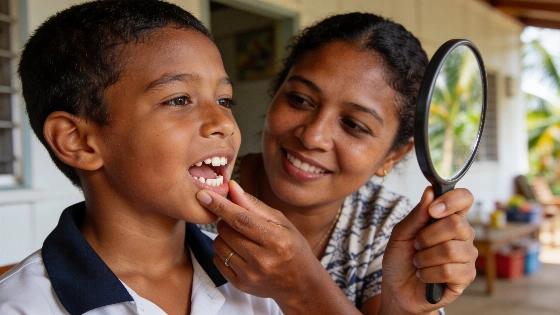
The handheld mirror has a clear purpose. It helps caregivers and children look for cavities, swelling, or sensitivity. They can respond to changes sooner. That fits the wider approach of preventive dentistry, which usually combines early detection with regular dental examinations, according to guidance discussed by Carrara Dental Group.
Project Lead Dr Leenu Maimanuku says the approach is meant to be practical and cost-effective, especially for families facing financial challenges. Children are also being asked to take responsibility for their oral health. The goal is to make prevention part of a shared household routine, rather than something discussed only during a dental visit.
World Oral Health Day messaging is also frequently advanced through partnerships involving dental professionals, educational initiatives, and consumer brands. Those collaborations can help turn awareness into practical prevention advice, although no independent figures on this Fiji campaign's budget, reach, or participating families were available in the reviewed material.
That family focus matters beyond Fiji. An earlier analysis of Kenya's health reforms showed how oral care can be pushed aside when wider health planning does not make it part of everyday care.
Dr Parikshath Naidu, President of the Fiji Dental Association, describes protecting children's oral health from an early age as an investment in their overall well-being. The campaign gives families a way to act on that idea. They can make simple checks, follow practical advice, and seek help before symptoms get worse.
Fiji is not making prevention depend entirely on a dental appointment. Families can use mirrors and repeatable habits at home. That gives oral health a better chance of becoming part of daily life instead of a response to pain.