The session dealt with four practical questions: how to prevent peri-implant diseases, control biofilm, set daily implant-care advice and judge the evidence behind maintenance therapy.
More than 200 postgraduate students explored those issues at the Dentaid Research Center near Barcelona during the 2026 EFP Postgraduate Symposium. The visit put postgraduate training alongside the laboratories and multidisciplinary teams working on oral-health research.
An independent industry report describes Dentaid Research Center as a leading private oral-health research centre in Europe and connects its research platform with more than 45 years of experience in oral-health research and development.
Prof. Nikolaos Donos, chair of the EFP Education Committee and editor-in-chief of the Journal of Clinical Periodontology, pointed to the main clinical problem: keeping implants successful after placement.
Current implant literature also identifies residual cement as a potentially preventable risk factor for peri-implant disease, reinforcing the importance of research into long-term implant maintenance and professional follow-up.
Research brought closer to postgraduate training
The symposium took place in Barcelona from 3 to 5 September. It brought together second- and third-year students, teachers, programme directors and coordinators from postgraduate programmes accredited by the European Federation of Periodontology.
The event takes place every two years. According to the EFP's event information, it supports scientific exchange, clinical and research presentations and professional networking.
Dentaid was the exclusive sponsor of the 2026 edition. Manel Vera, CEO of Dentaid, said the company wanted research, clinical expertise and innovation to sit closer to the international scientific community.
"Progress in oral health requires the integration of research, clinical expertise and innovation. At Dentaid, we strive to bring these areas together and work alongside the international scientific community to develop solutions that improve people's quality of life. We are proud to open our doors and share our approach to innovation," Vera said.
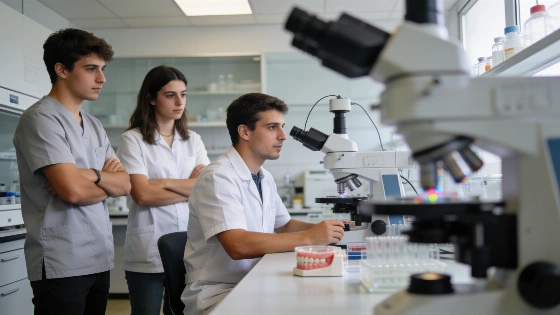
At the centre in Cerdanyola del Vallès, participants saw work in microbiology, pharmaceutics and engineering. They also learned how the company produces scientific and medical evidence and turns scientific knowledge into oral-health solutions.
IMFarmacias linked the centre's wider research role with the PHB Time to Care brand. That context helped explain the visit and its connection to Dentaid's oral-care work.
Research met training.
Collaboration as a clinical priority
Joan Gispert, head of research, development and innovation at the Dentaid Research Center, said meetings between academia, clinical practice and industry give participants a place to discuss disease progression with ageing. They also allow discussion of the link between oral health and overall health.
"Only through collaboration among all stakeholders will we be able to promote oral health throughout life," Gispert explained.
The clearest message from the Barcelona meeting was practical: implant placement is only the start of care.
Long-term maintenance depends on effective hygiene, supportive therapy, risk assessment and dental teams trained to apply those principles. The symposium put postgraduate students in direct contact with research facilities and specialist discussion.
Dentaid's sponsorship created a link between professional training and industry research. Peri-implant prevention and evidence-based dentistry remained at the centre of the exchange. More information is available through the Dentaid Research Center.